





October is the month when pink bursts into the community in support of Breast Cancer Awareness Month. Professional football players wear pink-accented gear, pink ribbons appear everywhere from coat lapels to display windows.
The first week of October – Oct. 1 to 8 – is Light Jax Pink Week, an initiative launched by Pink Ribbon Jax: Local businesses, landmarks and residences will turn their exterior lights pink in a “visual testament of support to thousands of families battling this disease who feel isolated and invisible. Through lighting, we collectively say, you are not alone – the Jacksonville community is behind you, even when you can’t see us.”
This year, nearly 30 entities are participating in Light Jax Pink Week. Resident communities can spot some
local landmarks participating, including the San Marco Lions Fountain, Baptist MD Anderson Cancer Center, Baptist Medical Center Jacksonville and Aspire Church or Brooklyn’s 501 Riverside Avenue.
Beyond the color and the campaigns, though, this month is about education, prevention, and hope. It’s about honoring survivors, supporting those in treatment, remembering loved ones lost, and standing together for early detection and better outcomes.

The Impact of Early Detection
For Dr. Kathryn Pearson, founder and director of Boutique Breast Imaging, fighting breast cancer is personal: Her great-grandmother, grandmother, mother and three aunts all had breast cancer and, at age 27, she was told she had an 85% lifetime risk of the disease as well.
“I ended up just dedicating my life – my education, my research and my life’s work – to early breast cancer detection and patient care,” Pearson said.
Pearson emphasized the importance of early detection and regular mammograms for women beginning at age 40, though she added women in a high-risk category should begin mammograms at a younger age.
“All women, they should have a risk assessment by the age of 30, especially minority women, to ensure that they’re not in a high-risk category,” Pearson said.
Equally important, though, are self-exams once a month to become familiar with what your breast tissue feels like to help differentiate between denser breast tissue and an abnormality.

“I try to get women in their mid-20s and on getting to be used to their normal lumpiness and their breast tissue so they can detect what an abnormal lump is in that normalcy of lumpiness, and the best time women should be doing that screening is usually after their period is over, when they’re the lowest in estrogen,” Pearson said. “…If a woman gets to know where her normal glandular tissue is and what normalness feels like, it only takes once a month, four months in a row, for a woman to detect an abnormal lump.”
Early detection, for women between the ages of 40 and 50, also means tumors are smaller, which has a direct impact on the necessary treatment.
“There is a proven 29% reduction in mortality in women between the ages of 40 and 50, but also smaller tumors are detected during that time and that results in less extensive surgery or toxic chemotherapy.”
Reducing the Risk of Breast Cancer
While there are several factors that are out of women’s control for whether or not they are at risk for breast cancer, there are steps they can take to reduce that risk, from exercise and diet to other factors, including, Pearson said, increased vitamin D levels.
“The sun affects our skin and triggers our kidneys and liver to produce vitamin D,” Pearson said. “But a lot of, and most, Floridian women are wearing sunscreen and they’re [vitamin D] deficient, and I am seeing a lot of aggressive cancers related to a very low vitamin D level.”
“If you have your [vitamin D] levels greater than 50, that’s a 30% reduction in breast cancer,” Pearson added.
Possibly one of the simplest ways to reduce your risk of breast cancer is adequate sleep, Pearson said. She explained that sleep can decrease the risk of breast cancer by 33%: Sleep increases melatonin levels and it’s during sleep that your immune system produces cellular apoptosis, which eliminates unneeded, damaged, or infected cells.
“…If you want to fight off cancer, sleep,” Pearson said.
Other factors that can reduce the risk of cancer include maintaining a healthy diet with high fiber and organic foods, regular exercise and limiting alcohol and sugar consumption.
According to the American Cancer Society, physical activity is also a major element in reducing the risk of cancer:
“The American Cancer Society recommends that adults get at least 150 to 300 minutes of moderate intensity or 75 to 150 minutes of vigorous intensity activity each week (or a combination of these), preferably spread throughout the week.”
Community Support
The Jacksonville community has several opportunities throughout the month of October for people to come together and show their support for the people and families battling breast cancer. The DONNA Foundation, founded in 2003 by Donna Deegan, three-time breast cancer survivor, award-winning journalist, and now mayor of Jacksonville, is hosting the DONNA 5K at TPC Sawgrass on Saturday, October 11, runners and walkers are both welcome.
The American Cancer Society’s annual walk is the largest nationwide effort to raise awareness and funds to fight breast cancer.

“Our goal is to ensure no one faces cancer alone,” said Senior Development Manager Jaclyn Rodriguez. “In addition to community events like Making Strides Against Breast Cancer, we provide peer-to-peer connections through our Reach To Recovery® program, 24/7 information and support through our helpline, and free lodging and transportation assistance during treatment.”
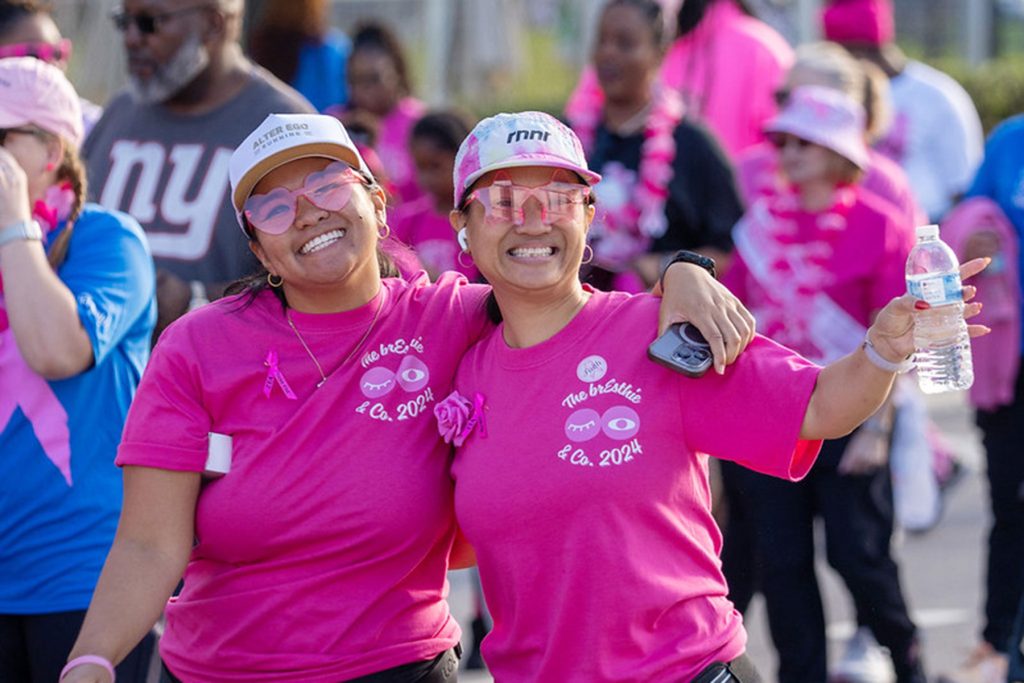
This year, Making Strides will be held in VyStar Ballpark on Saturday, October 18. It’s a time to celebrate survivors and get active to show your support. Grab a few friends to form a walking team, donate to a co-worker’s team or volunteer to cheer on the walkers. To learn more, visit acsevents.org.



![New-Board-Members-for-Junior-Achievement[1]](https://residentnews.net/wp-content/uploads/2022/09/New-Board-Members-for-Junior-Achievement1-300x200.png)