
By Jennifer Logue
First integrated concert in the Southeast hailed as milestone in civil rights movement
Florida Humanities marked the 60th anniversary of The Beatles’ concert in Jacksonville last month with a special lecture and musical performance.
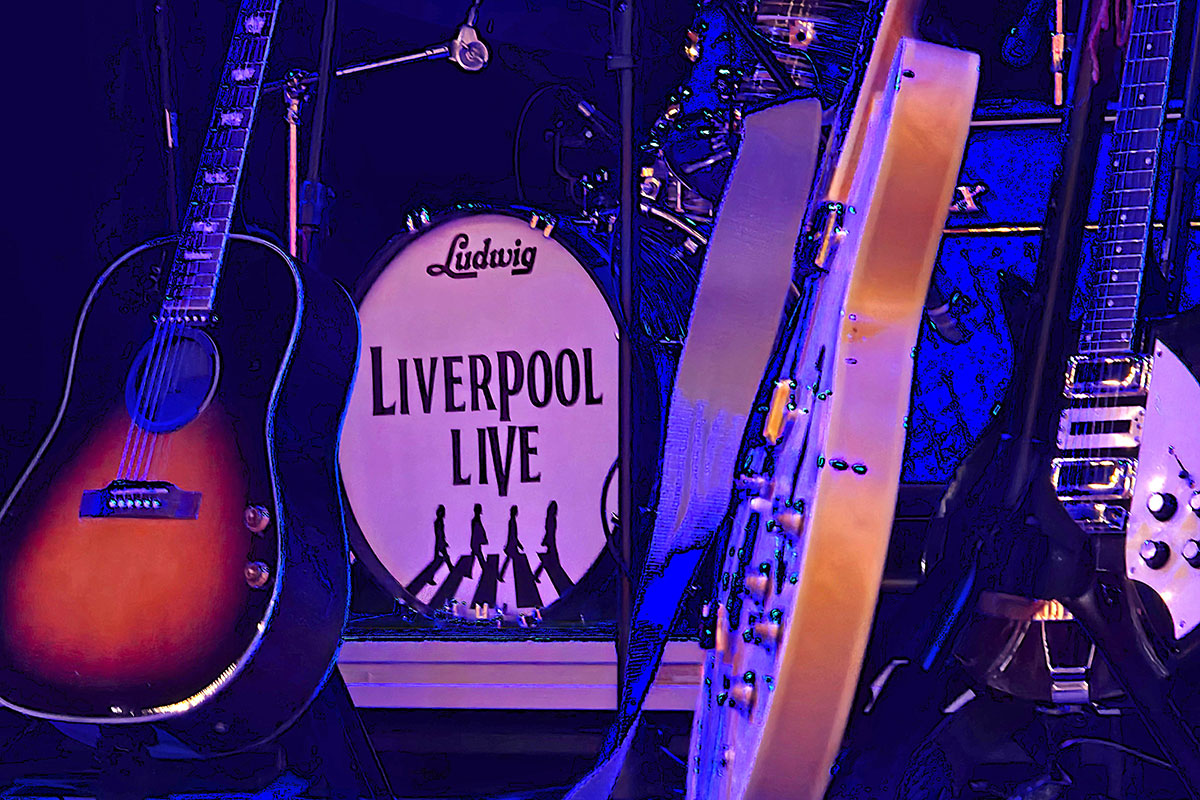
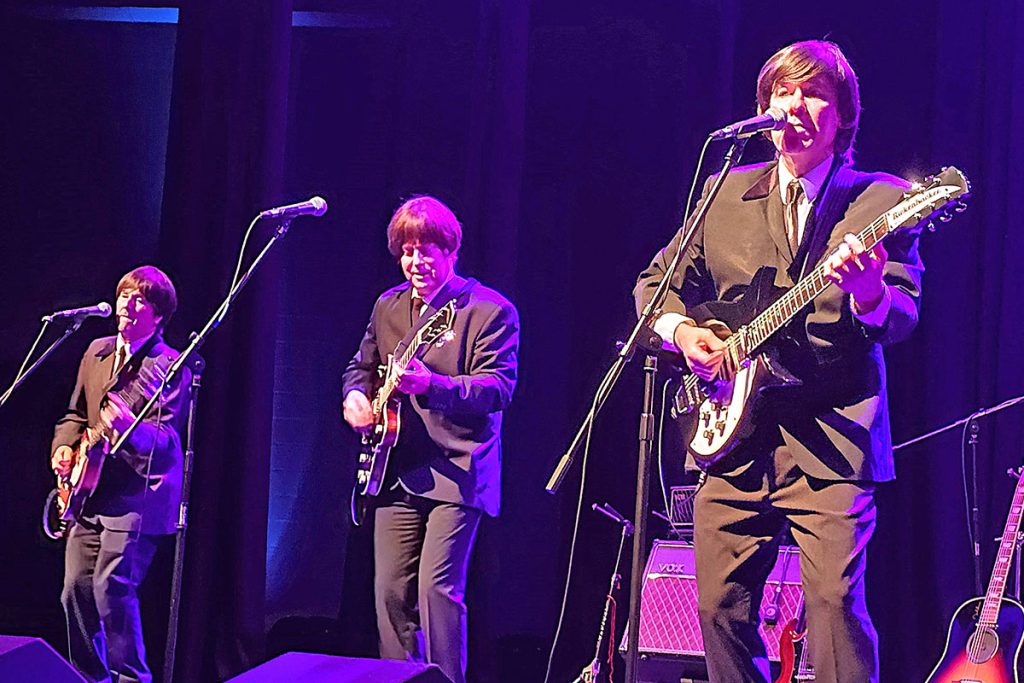
Held Sept. 12 at the Ritz Theatre, “1964: When The Beatles Rocked Florida” was equal parts education and entertainment: Attendees not only relived the heady days of Beatlemania through a performance by The Beatles tribute band Liverpool Live, but also gained insight into the historical context and significance of the Jacksonville concert – the first integrated concert in the Southeast.
Bob Kealing, author of Good Day Sunshine State, set the stage for the evening’s presentation, noting that in 1964, the First Coast was a focal point for clashes and confrontations in the civil rights movement. Just a few months before the concert, in fact, Dr. Martin Luther King, Jr. had been arrested in St. Augustine for attempting to dine at Monson’s Motor Lodge. Two weeks later, the murder of three civil rights workers in Mississippi made headlines across the nation.
It was amid this simmering racial tension and violence that the Fab Four were touring America. But The Beatles’ contract stipulated that the band would only perform before integrated audiences. And Jacksonville was going to be the first test to see who would fold: The Beatles or the South.
“The Beatles unwittingly inserted themselves into a historic and violent struggle over racial equality,” Kealing said. “Jacksonville proved to the first opportunity in America for The Beatles to advance their developing worldview, as agents of social change.”
Winds of change
For a few days, it appeared that confrontation wouldn’t happen at all, as Hurricane Dora stole the Fab Four’s thunder, forcing their flight to divert to Key West to avoid the devastating storm, which hit the River City as a category 2 hurricane on Sept. 10. Two days later, however, The Beatles went ahead with their Gator Bowl concert – and to an integrated audience.
Among the attendees was Dr. Kitty Oliver, then a 16-year-old Black girl who had grown up in a segregated Jacksonville, drinking from separate water fountains and attending segregated performances. Oliver had heard The Beatles on local AM radio station WAPE and was determined to see them when they played Jacksonville.
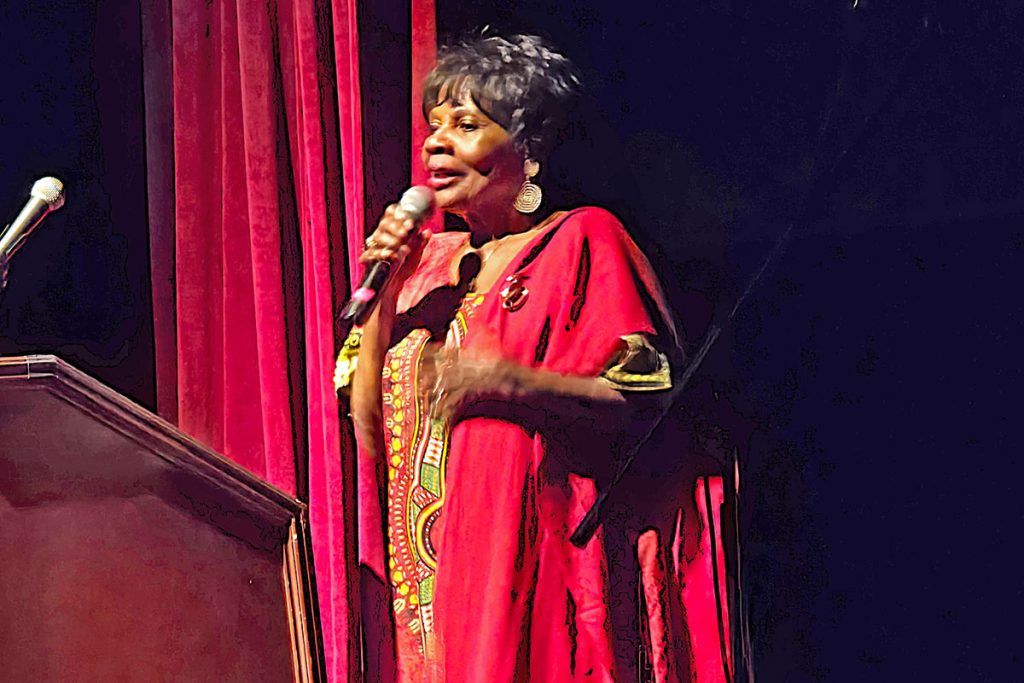
“I think that what struck me most about The Beatles was how they freely acknowledged the influence of Black musicians on their music,” said Oliver, now an author with an MFA in Creative Writing and a Ph.D. in Comparative Studies.
While many of Oliver’s Black friends also liked the group, the controversy over the integrated performance had them concerned. She resolved to attend the concert alone.
“I didn’t know the backstory of The Beatles’ decision not to perform to a segregated audience – I was 16,” she said. “But I knew that in the summer of 1964, my world was already changing. I had participated in a voter registration drive, I picketed in front of Morrison’s cafeteria, protesting segregation there…so maybe the times had a lot to do with putting some starch in my backbone.”
Oliver earned the money for her concert ticket by doing housekeeping chores and made the trek alone across hurricane-battered Jacksonville to the Gator Bowl.
“I walked into that concert, and I was surrounded by a sea of whiteness,” she recalled. “My antennae were up: Was there any danger that might be present? I remember sitting and waiting for the concert to start, holding myself close so that I wouldn’t bump anyone by accident.”
But there were no confrontations or altercations at the concert, Oliver said, “because our eyes were trained on that stage, and The Beatles were about to come on. And when they did, we all rose together as soon as the music started.
“Music became the window to a bigger world.”