






Editor’s Note: “If These Walls Could Talk” celebrates the rich history hidden within the structures that shape our Resident communities – from beloved family homes and neighborhood churches to stately mansions and iconic gathering places. Each building has a story, and through this column, we aim to preserve and share the people, moments and memories that have lived within their walls. Because these stories often reflect the shared history of Jacksonville as a whole, readers may occasionally see features from across both Resident News markets. Whether on one side of the river or the other, these historic places help tell the larger story of our city and offer readers the opportunity to discover the fascinating histories of neighboring communities.
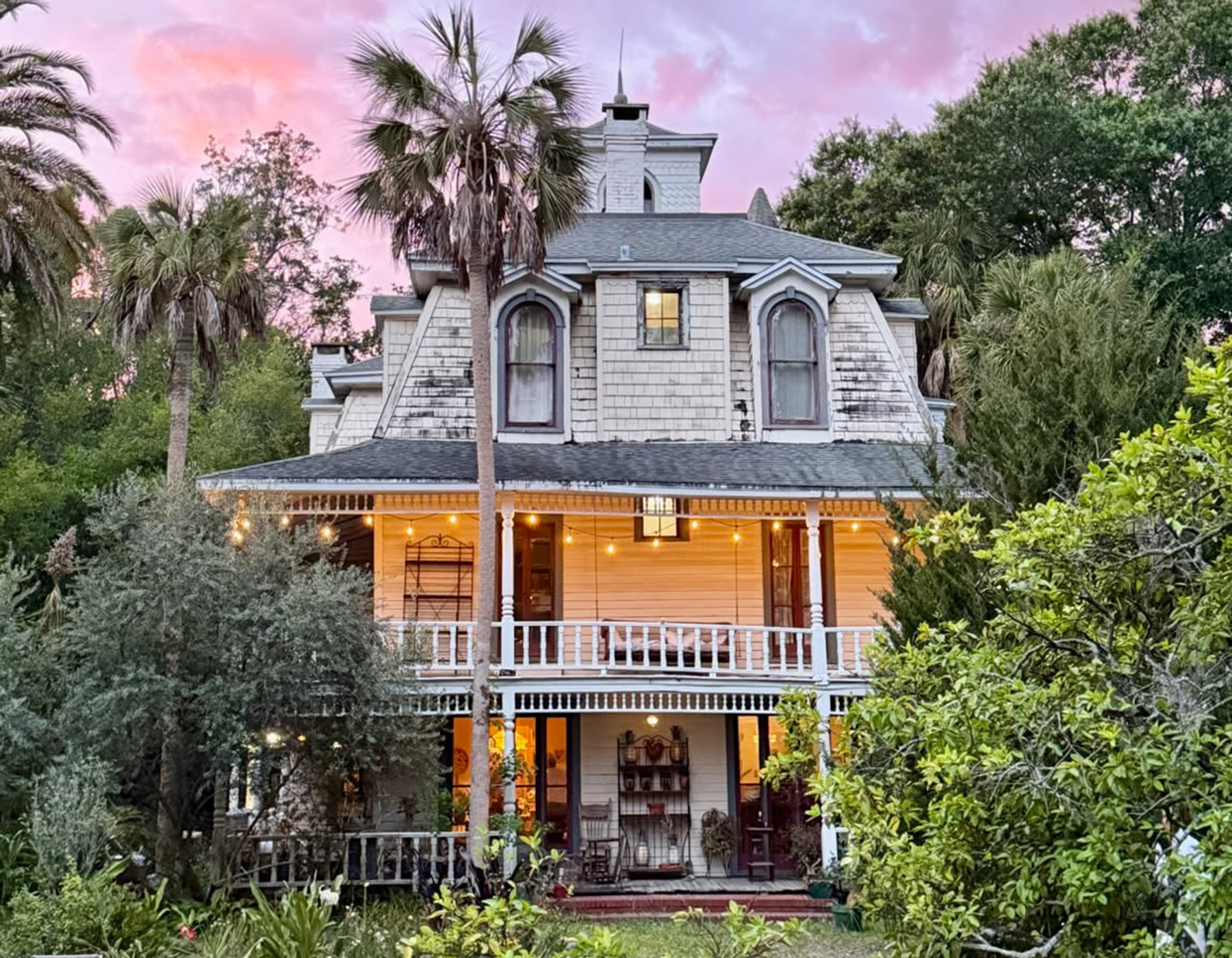
Take a walk through the meandering, slightly hilly streets of Empire Point, and you’ll notice plenty of bungalows and mid-century ranch homes. But at the heart of the neighborhood, there’s a Victorian mansion that seems out of place. Yet, it belongs more than any of its neighbors.
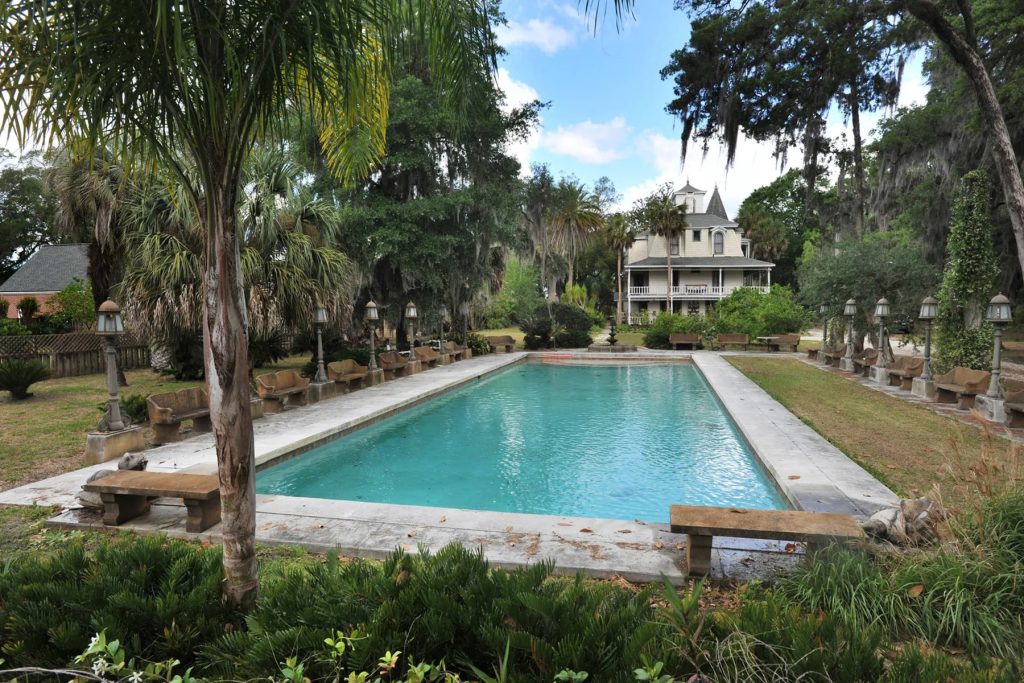
One corner of the house rises into a steep tower with large windows facing all directions, while verandas wrap around two of the home’s three stories. The front yard features a rectangular pool flanked by rows of sturdy concrete benches and iron lamps, a bit reminiscent of the gardens at the Cummer. Large letters on a heavy wrought-iron gate announce where you are: “Marabanong.”
The land that is now Empire Point was once the site of several commercial sawmills and home to a mansion constructed by physician Thomas Perley, whom President Abraham Lincoln appointed Medical Inspector General of the Union Army during the Civil War. His home, “Perley Place,” featured a brick wine cellar built into the bluff near the river, which remains one of Jacksonville’s few surviving pre-Civil War structures.
Perley Place burned down in the 1870s, and the current home was built in 1876. That same year, a disputed presidential election infamously saw Florida’s contested electoral votes handed to Rutherford B. Hayes in exchange for the “Corrupt Bargain” that ended Reconstruction in the South.
A Storied History
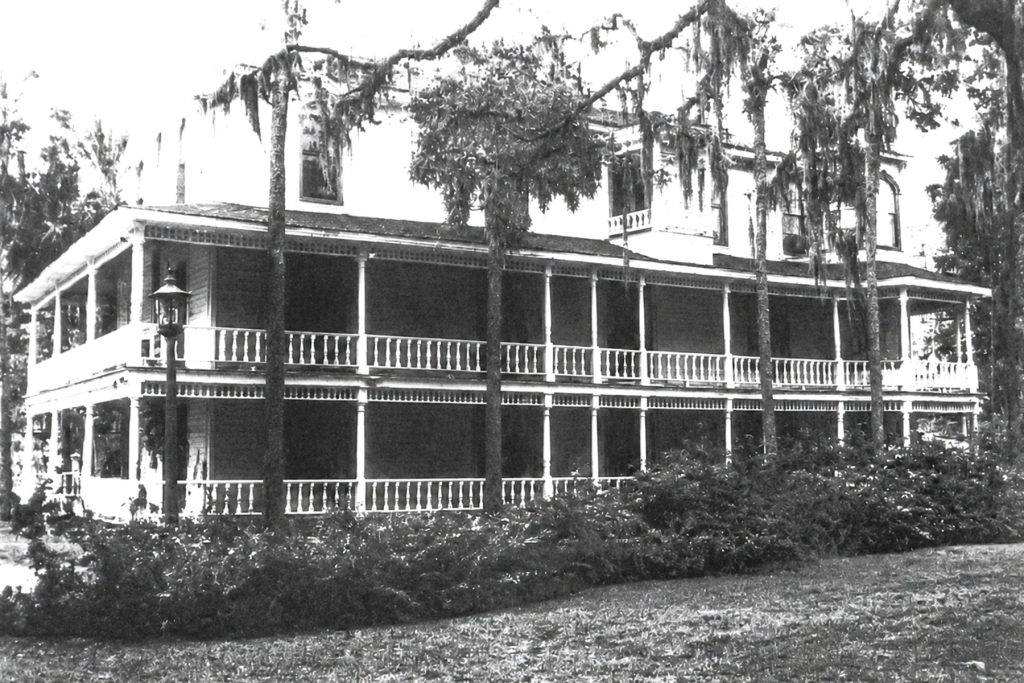
Renowned British-born astronomer Thomas Basnett constructed the eclectic 6,000-square-foot residence. In his decade at Marabanong, he studied the heavens through his telescope and published books such as “The True Theory of the Sun.” Over the next 150 years, the string of characters who would call Marabanong home grew no less interesting, and the current occupant is no exception.
Basnett’s wife, Eliza Wilbur, who took ownership of the house after he died in 1886, was arguably even more accomplished than her husband. An inventor and scientist from New York, she patented an astronomical telescope and is believed to be the first woman ever to have lectured at Harvard. Wilbur also wrote papers and poems that were published everywhere from “Scientific American” to “The New York Herald.” Her most famous work is a long-form poem called “The Ulyssiad: An American Epic,” which celebrates the life of President Ulysses S. Grant in the style of Homer’s “Iliad.”
Wilbur eventually remarried after meeting French physician Mathieu Souvielle, and the two turned Marabanong into a wellness retreat for patients with chronic illnesses. A throat and lung specialist, Souvielle believed Florida’s climate was therapeutic, though his claims were met with skepticism even in his day.
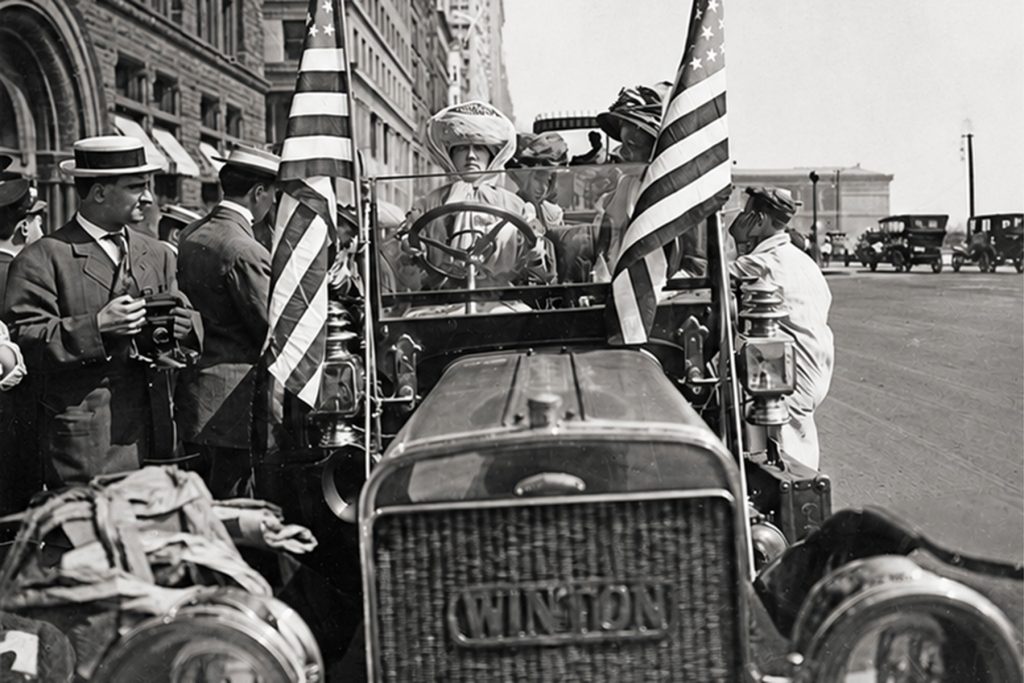
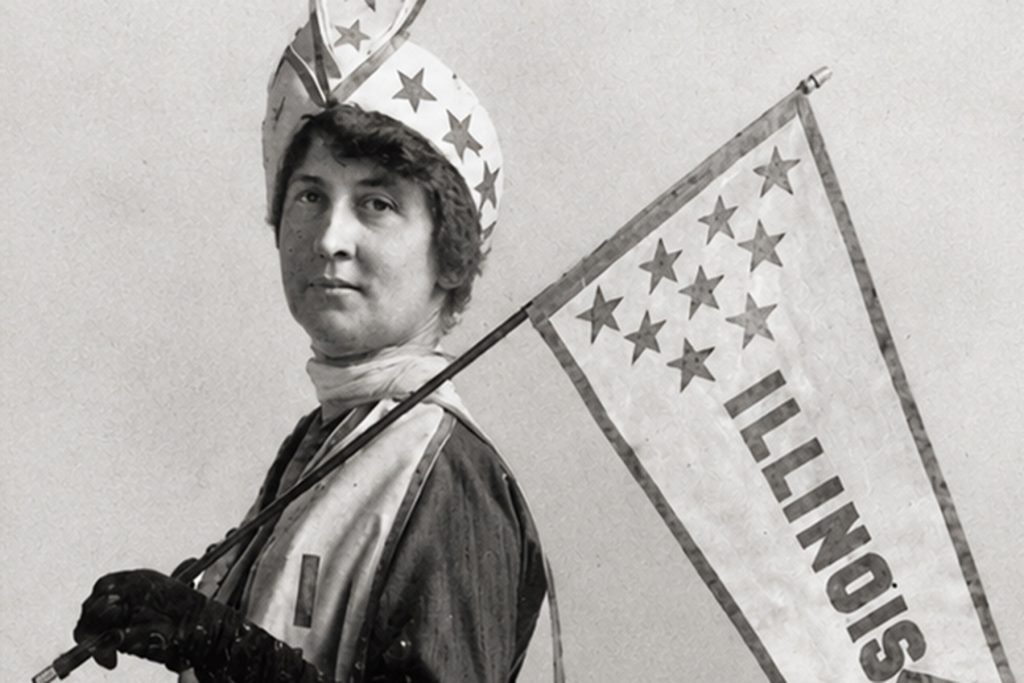
Souvielle died in 1914, and Wilbur sold the home to her cousin, Grace Wilbur Trout. A nationally prominent suffragist, Trout pioneered the use of the automobile for campaigning, driving between Chicago’s suburbs on an “auto tour” to deliver speeches and rally support for women’s suffrage. Some in the movement criticized her designer clothes and extravagant hats. Still, there is no denying that her tactics were successful: Trout led the Illinois delegation at the 1913 Suffrage March in Washington, D.C., and was instrumental in a successful lobbying effort that same year that made Illinois the first state east of the Mississippi to recognize women’s right to vote.
Relocating to Jacksonville, Trout became a pioneer of a different sort – she built one of the first private swimming pools in Duval County. She and her husband also assembled an impressive private zoo on the grounds, featuring deer, peacocks, and even crocodiles. The wildlife is long gone, but the pool remains, curiously placed in the front yard, while the large koi pond spanned by a stone bridge she installed is still tucked away in the back.
Trout never lost her civic-minded spirit, serving as the first president of the Jacksonville Planning and Advisory Board and the head of the Jacksonville Garden Club. She died in 1955 at the age of 91 and is buried at Evergreen Cemetery.
Marabanong was eventually inherited by Grace Wilbur Trout’s grandson, Tom, the very same Tom Trout who shared his billboard wisdom – usually witty, sometimes profound, always worth a glance – with millions of I-95 commuters for 40 years.
Trout owned the home until 1983, at one point attempting to sell it to a developer who wanted to turn the property into townhouses and villas. Neighbors persuaded the city to block the proposal, and Marabanong fell into disrepair. Soon, the home was so dilapidated that its demolition seemed imminent and unavoidable.
Restoring the Mansion
Enter Joseph Ripley. A lifelong Jacksonville resident, Ripley grew up on his family’s farm on the St. Johns River across from present-day Oaklawn Cemetery, living off the land. After completing his undergrad at the University of Florida, he debated whether to study law or return home to work for his father’s cement plant. He ultimately decided that if he were elected student body president, he would stay and attend law school, and if he lost, he’d return home. Much to his surprise, he pulled off an upset against a well-organized candidate backed by the school’s fraternities, and so began a legal career that has never really ended.
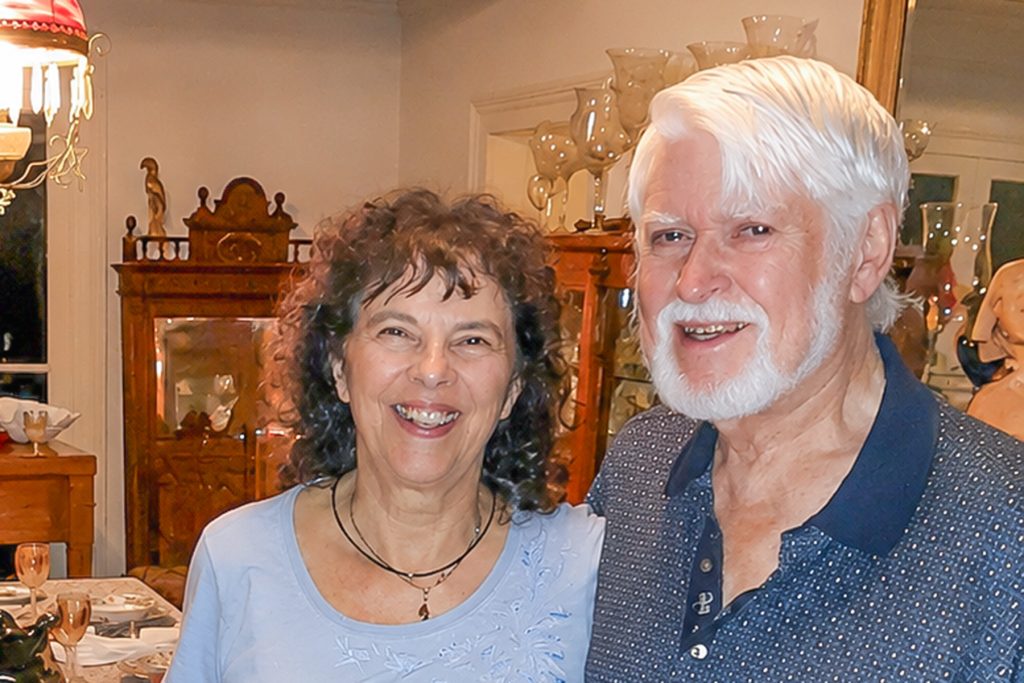
“Fate takes care of us, doesn’t it?” asked Ripley, smiling and reclining comfortably in his leather office chair.
Ripley had previously owned the Swisher Estate in San Marco but sold it after his property taxes increased tenfold in a dozen years. He and his wife, Diantha, bought Marabanong in 1992 for $165,000 at a Ponte Vedra real estate auction. He remembers the several hundred bidders in attendance clapping when he won.
“Every time someone bid, I bid $5,000 more until they quit,” said Ripley, chuckling a little.
He embarked on a massive restoration project, replacing the roof and applying 110 gallons of exterior paint. Peeling back several layers of wallpaper in a downstairs bathroom, he revealed a long-hidden nautical mural depicting a galleon navigating turbulent seas and flocks of seagulls racing past. The Ripleys believe the scene was painted by a deaf and mute relative of Tom Trout’s grandmother, who lived at the house for a time. Diantha, an artist who works in acrylics and oil paintings, has since touched up the mural.
The restoration has never really stopped; it’s more of a constant battle.
“You can’t get all the way around the house replacing the wood before you have to start again,” explained Ripley.
Still, it seems he’ll never relinquish Marabanong. Ripley made headlines when he briefly put the home up for sale in 2017, only to take it off the market.
It would be hard to find someone more capable of appreciating the home’s rich past. An avid reader of historical nonfiction, he has tried to solve one of the Marabanong’s enduring mysteries: the origins of its name. Tom Trout believed his parents named the home after a Māori word meaning “land of paradise,” but Ripley was unable to verify its existence when he visited New Zealand.
Ripley’s passion for history is also evident in the various treasures and artifacts he has collected for Marabanong, such as the converted buffet that was once a table used at the “Florida Times-Union” to arrange metal letters for newspaper printing.
There will come a day when Marabanong will belong to somebody else, but for now, Joseph Ripley remains its caretaker and historian.