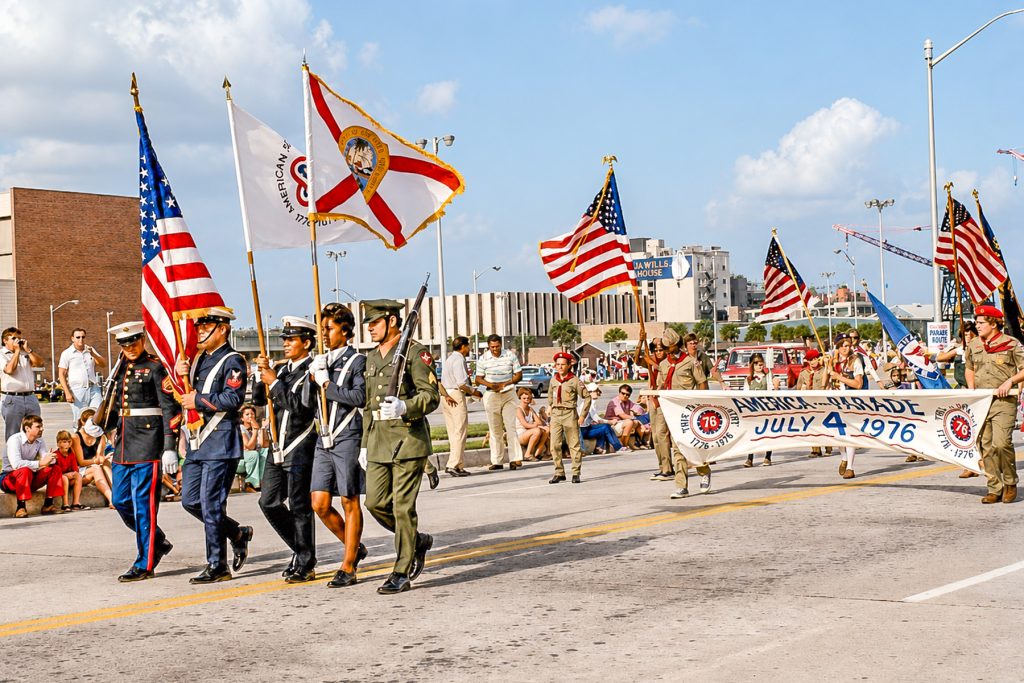





As Jacksonville prepares to celebrate Independence Day, community discussion continues on proposed changes to the city’s ordinance codes that some say could potentially have constitutional implications by limiting free speech.
At a June 11 public meeting, representatives of 904ward, the League of Women Voters Jacksonville and Jax Queer Coalition expressed their support for Ordinance 2024-334, which would strengthen punishments for violations of certain city ordinances if those violations are found to be “committed with the primary purpose of expressing, or attempting to promote animosity, hostility or malice against a person or persons or against the property of a person or persons because of race, color, religion, sex, sexual orientation, gender identity, marital status, national origin, age or disability.”
The ordinances in question pertain to noise violations, unlawful signage (to include snipe signs and projections), littering or disruption of public order.
A pair of amendments was proposed at that same meeting by Councilmembers Michael Boylan and Rahman Johnson. Boylan’s proposed amendment suggested minor changes in the language for “clarity” purposes, while Johnson’s amendment proposed referring to the bill as “Johnnie Mae’s Law” in honor of Johnnie M. Chappell, a Jacksonville woman who was the victim of a racially motivated drive-by shooting in 1964.
Senior Assistant General Counsel Jason Teal, meanwhile, responded to questions regarding who would be responsible for determining what constituted “hate.” Teal advised that a county judge would have the ability “to add this enhancement, if evidence demonstrated,” once it was determined that a law had been broken.
Offensive speech vs. hate speech
The proposed ordinance has been criticized, however, for possibly infringing on residents’ constitutional First Amendment right to free speech. At a May 28 city council meeting, several speakers rose in opposition to the proposal, voicing concerns regarding possible scenarios whereby individuals could face harsh punishments – including higher fines and jail time – for sharing their views on signs or other materials that would be regulated by the proposed ordinances.
City Councilmember Terrance Freeman, meanwhile, charged the city council members who sponsored the bill with “virtue signaling” to make headlines.

“Using the legislative process to virtue signal will not magically make all hate disappear,” Freeman said in a statement. “At best, this is cheap political pandering. And frankly, as a black man, it is insulting.”
The Duval County GOP agreed, praising Freeman for publicly opposing it.
“This bill is not only likely unconstitutional, but would force our first responders to become the speech police,” Party Chair Dean Black said in a statement. “City Hall Democrats should focus their efforts on addressing the issues of Jacksonville rather than further dividing us for cynical political gain.”
The Resident reached out to the Duval County Democratic Party for comment, but as of press time did not receive a response.
City Councilmember Jimmy Peluso, one of the bill’s sponsors, said it would not impact constitutionally protected “offensive” speech.
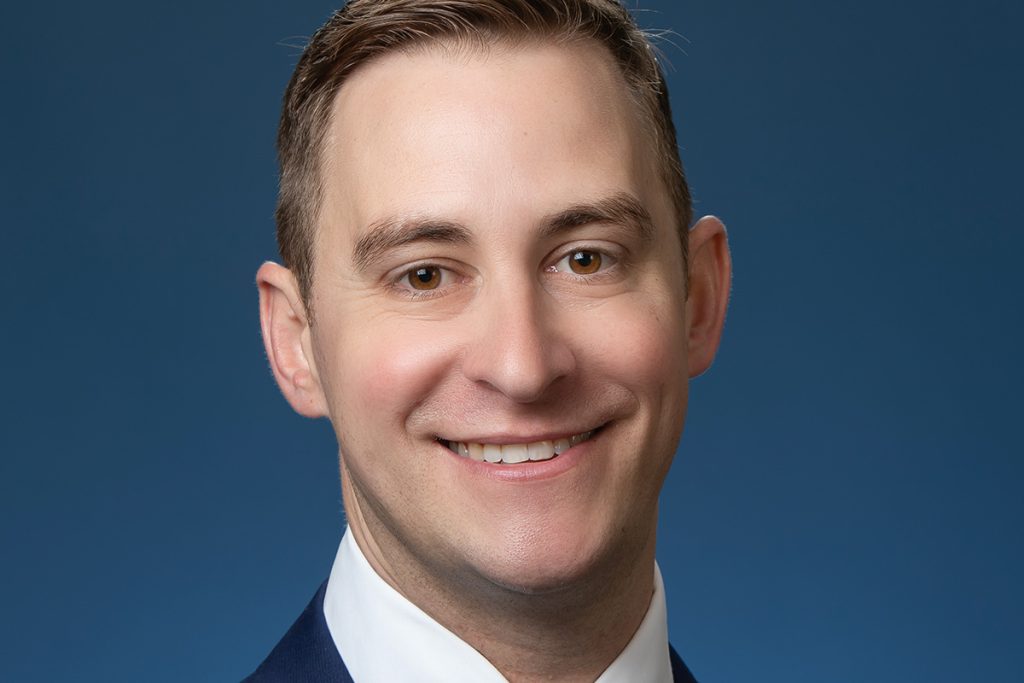
“This is not a bill to stop people from being offended – people can still say offensive and mean things,” he said. “If you pass out stuff that’s just an opinion piece where you say some controversial things, that’s not hate, right?
“People say things online or in person all the time that can be mean,” Peluso continued. “But it’s definitely not considered hate speech.”
Rather, he said, the proposed ordinance would increase fines and punishments for the specified violation where the alleged perpetrator is targeting a specific group of people and inciting violence.
What is hate speech?
According to the national nonpartisan Freedom Forum, there is no U.S. law that defines or limits hate speech. There are instances, however, where speech considered to be hateful falls outside First Amendment protections, including: defamation, true threats, fighting words and inciting imminent lawless actions.
“Importantly, speech that is not protected by the First Amendment is not judged on the viewpoint expressed,” the Freedom Forum noted, “but rather based on specific, narrow definitions and the direct harm the speech inflicts.”