

Editor’s Note: Every home has a story. With our new series, “If These Walls Could Talk,” Resident News will explore the history found within the homes and structures that shape our Resident communities. From Riverside and Avondale to San Marco and beyond, these buildings are more than beautiful landmarks – they are part of the identity, character and history of our neighborhoods. That’s why this series will feature stories from both sides of the river, celebrating the people, moments and memories that have lived within these walls.
When a handful of Christians met at a two-story home on the southwest corner of Hendricks Avenue and Louisa Street one warm afternoon in September 1886, they couldn’t have imagined the thousands of lives their meeting would touch over the next 140 years.
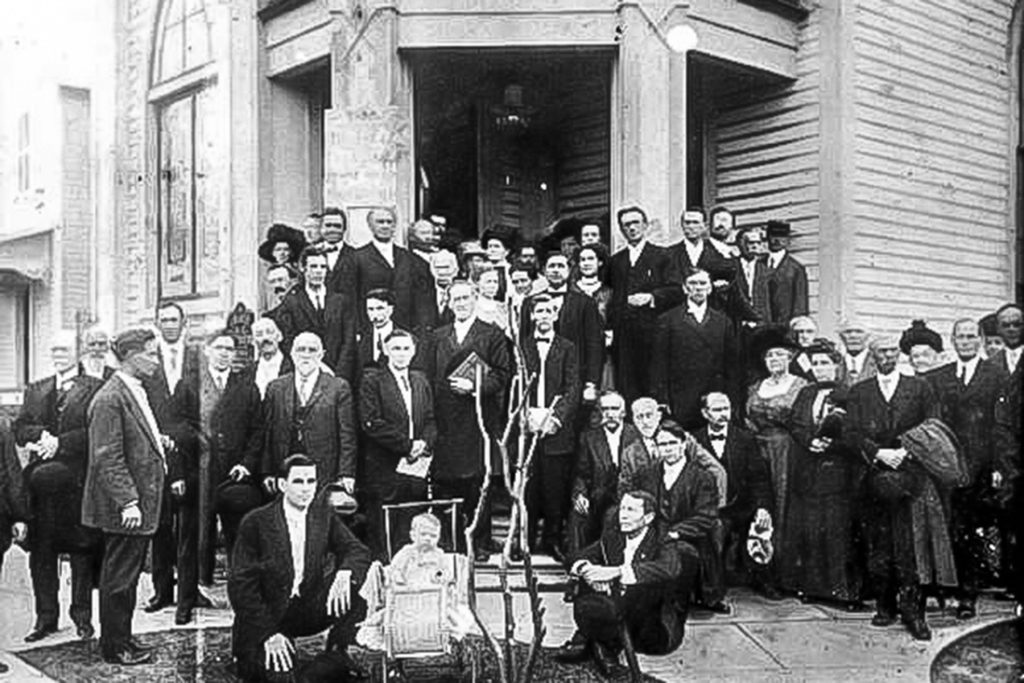
In those days, there were no electric lights or paved roads in what was then South Jacksonville, and the white picket fence surrounding the home where they met that day was there mainly to keep out the livestock that roamed the streets. On Sundays, going to church meant crossing the St. Johns River into Jacksonville via ferry or traveling the Old St. Augustine Road to a little church at Phillips Station.
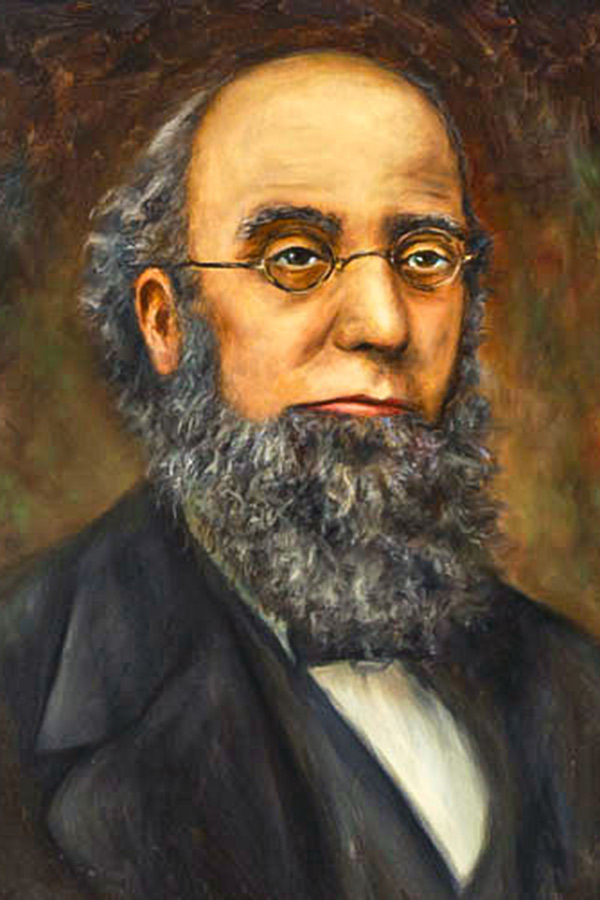
Believing South Jacksonville needed a church of its own, a small group secured the blessing of the area’s Methodist Church elders and met at the home of former Governor Harrison Reed on Sept. 27, 1886, to formally organize the new church: Grace Methodist Episcopal Church.
Originally from Massachusetts, Reed was elected during Reconstruction and was Florida’s longest-serving Republican governor until Jeb Bush was re-elected to a second term in 2002. Reed’s time in office is remembered for the full-time enrollment of children in public schools more than doubling. Historians Sarah and John Foster, Jr. attribute Reed’s strong support for public education and alleviating poverty to the influence of his wife, Chloe Merrick Reed, whom they dubbed “Freedom’s First Lady.”
Women were well-represented in the nascent Grace Methodist Episcopal Church. Chloe Reed was appointed Sunday school superintendent; Elizabeth Swaim and Mary Booth were appointed Sunday school teachers; and within a couple of years, Julia Landon had become the church’s financial secretary.
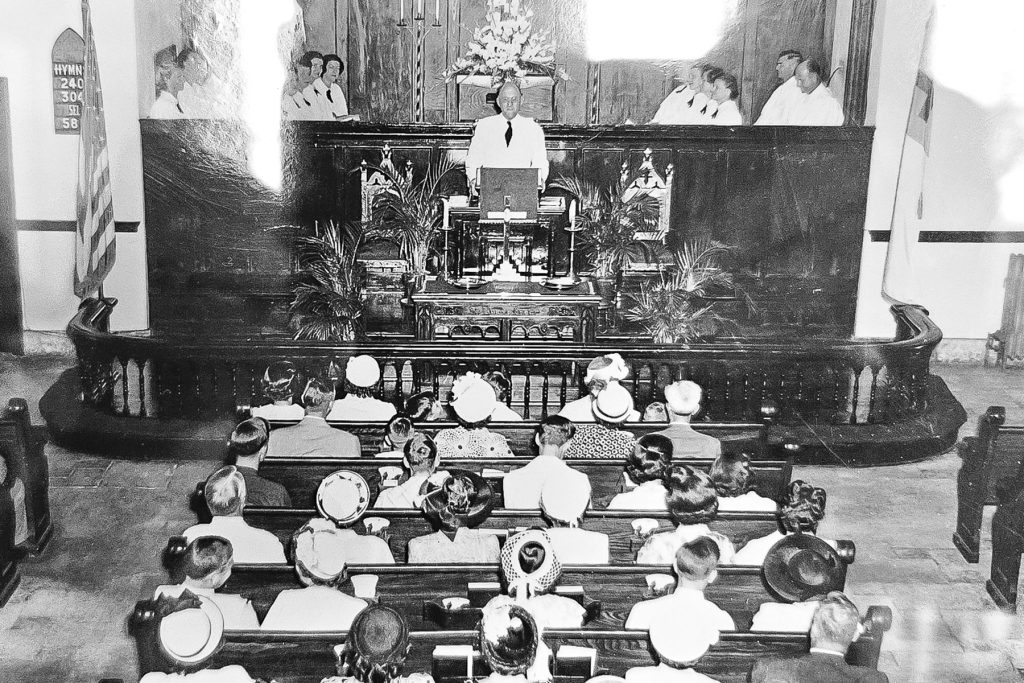
The group badly wanted to build a sanctuary, but the congregation numbered only about 20 people, mostly of modest means. Even Governor Reed struggled financially, and the weekly collection averaged less than $2.
After several years of gathering in private homes and, later, in a temperance hall, the congregation finally managed to build a 32-by-50-foot church on Montana Avenue under the leadership of an all-female building committee. In 1900, the church moved into a new sanctuary and parsonage on Kings Avenue valued at $2,600.
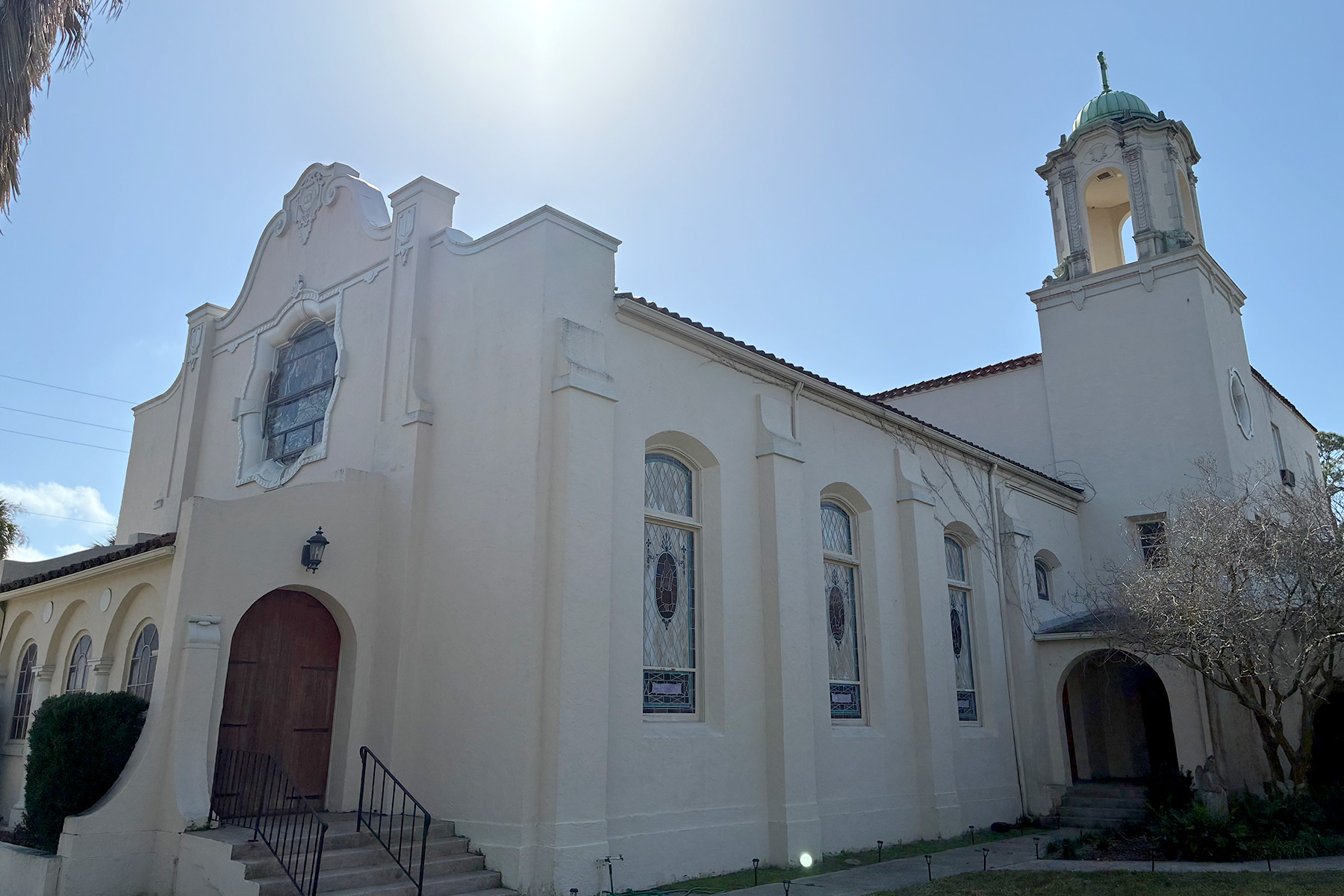
By 1919, the congregation again began making plans for a new sanctuary, this time at Lasalle Street and Naldo Avenue, where the current church stands today. Despite limited financial resources, the distinctive Spanish-style structure was completed in December 1925. It was renamed the Elizabeth Swaim Memorial Methodist Church in honor of the Church’s first Sunday school teacher, who had passed away the previous year.
Notable features of the structure include its sturdy wood beams and stained-glass windows that predominantly honor women, fitting for a church pioneered largely by women. There is also a prominent tower with open arches topped by a green cupola and a cross – older members believe it once housed a light.
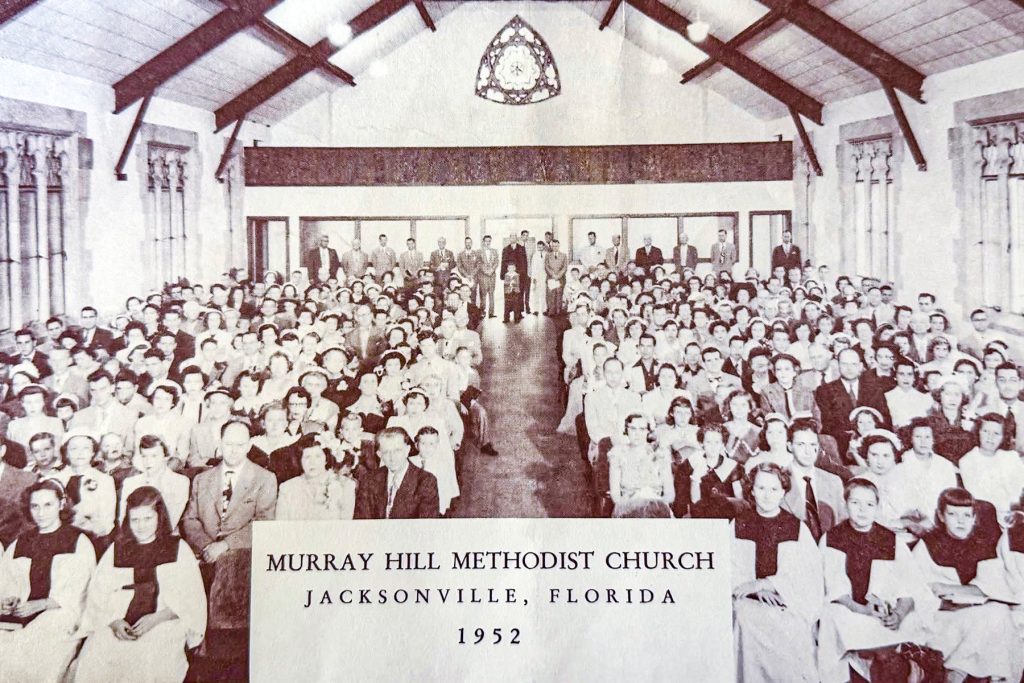
The congregation grew significantly in the mid-20th century. The church set a record in April 1950, when an incredible 561 people attended Sunday school in one single day.
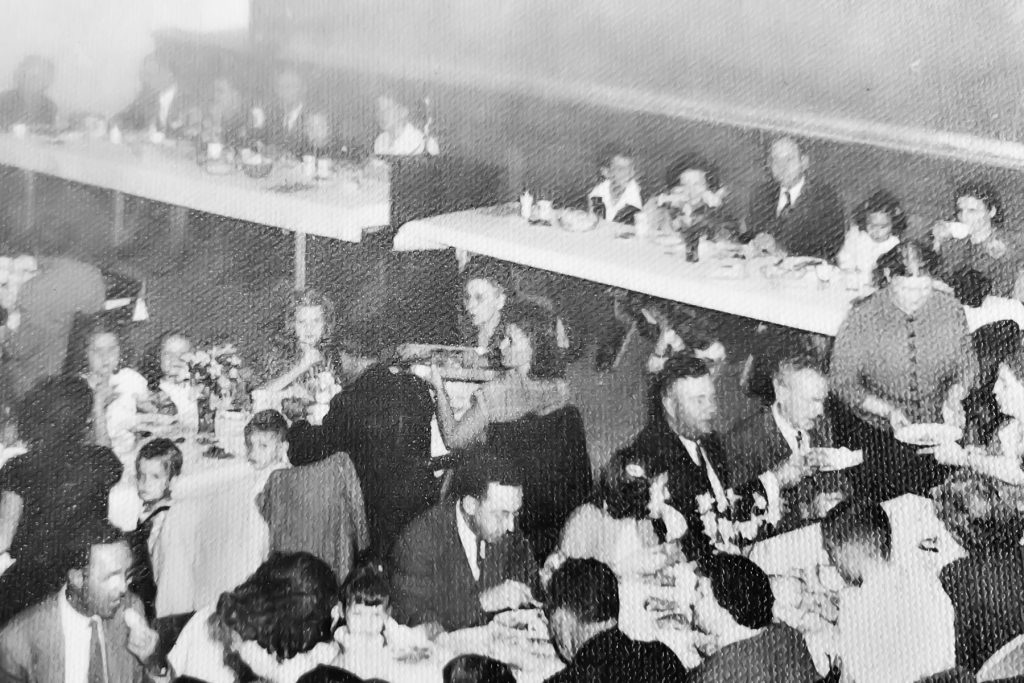
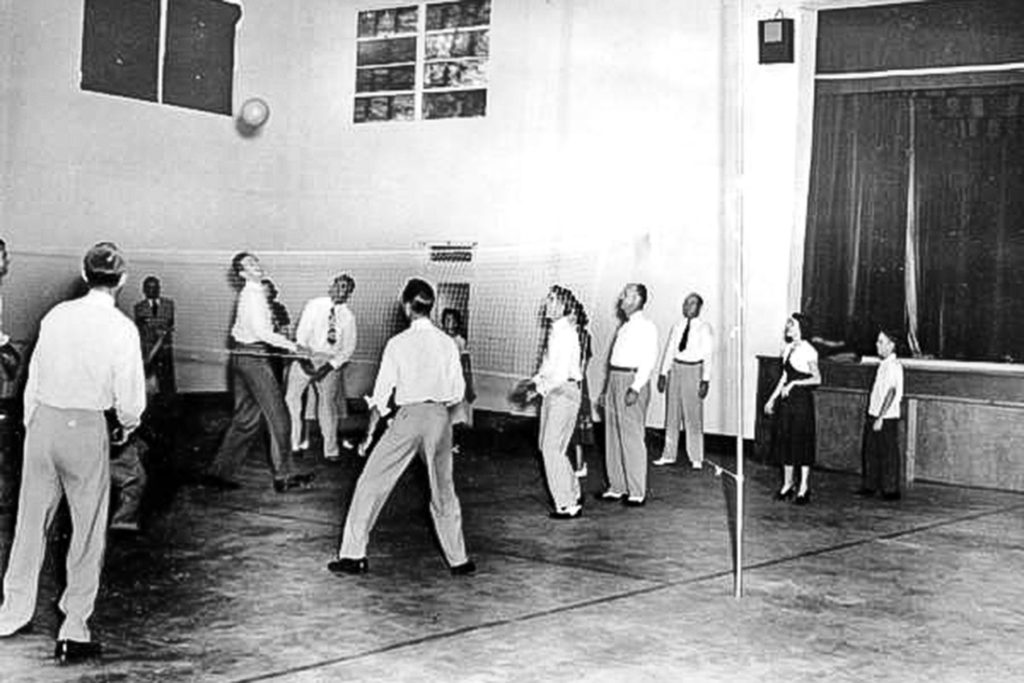
The ideological makeup of the members has swung dramatically back and forth over the years. Herb Cochley III’s family has been part of the church since the 1930s, when the congregation consisted mostly of progressive Yankee transplants. The church claims to have been the first to have an integrated gymnasium in Jacksonville.
Cochley said things had changed by the time he was born. He remembers Frank Sherman, president of American National Bank, standing up one day and proclaiming that “there ain’t gonna be none of these teenagers dancing in my church.”
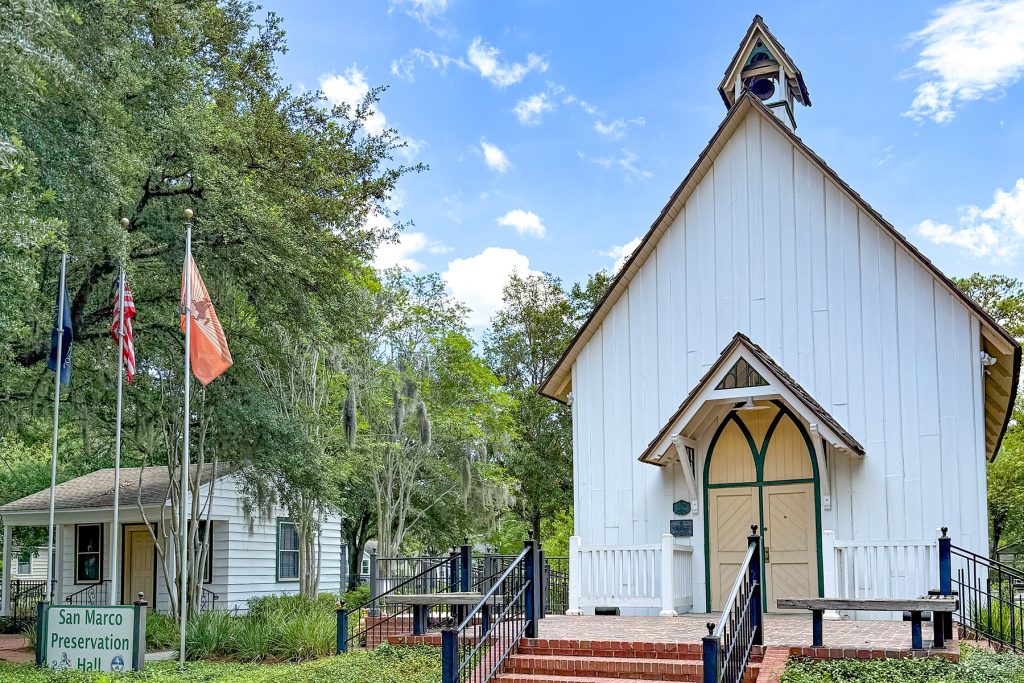
In the decades since, the church membership has returned to its progressive roots, particularly in the last 10 years, as an influx of people from the Campus to City Wesley ministry has made the congregation younger and more diverse. The church remains Methodist, but was renamed San Marco Church in 2018 and enthusiastically welcomes LGBTQ individuals, the homeless and people of all backgrounds.
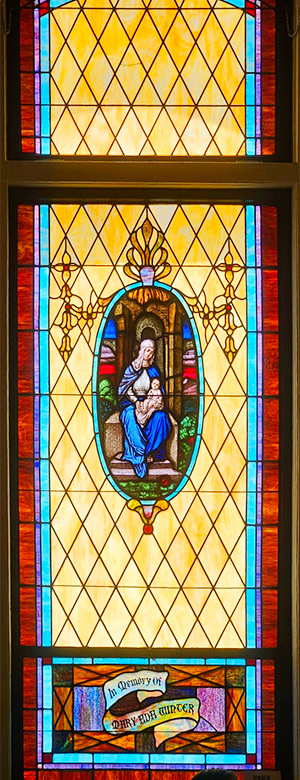
The church now serves many people who have struggled to find a spiritual home elsewhere. Derrick Scott III says he grew up a “church boy” in a different United Methodist congregation, but eventually left and assumed he would never serve in church leadership again.
“Clearly, that wasn’t true,” said Scott, now a board member for San Marco Church. “And the reason for that is because this is a place of rest and refuge, a healing space.”
The church also offers sign language interpretation every Sunday and has become a welcoming place for those with disabilities. Jessica Campbell is unable to take her son Jude to most churches because he has severe autism and is non-verbal. Not only did the congregation at San Marco church welcome Jude, but they also soon adopted his habit of clapping at the end of each song.
“The congregation has embraced him – not just tolerated him but loved him,” said Campbell.
Having recently marked a century in its current sanctuary and now preparing to celebrate 140 years since its founding, Pastor Steve Hart is hoping to attract new members and donors to help preserve the church and its history. That includes restoring two floors of classrooms that were part of the church’s long-shuttered school.
It’s an ambitious goal for a church whose congregation is slowly growing, yet still modest in size – but San Marco Church has a history of overcoming challenges and achieving the improbable. The congregation may be small, but that has never stopped it before.