






Business Profile
Your checklist to start 2026 strong
As 2025 winds down, it’s the perfect time to review your finances and take advantage of once-a-year opportunities. Whether you’re planning for retirement, managing charitable giving, or preparing for tax changes, this checklist will help you enter 2026 on solid financial footing. We’ve also included key updates from the 2025 One Big Beautiful Bill Act (OBBBA), signed into law on July 4, which reshapes several tax and savings rules.
1. Maximize Retirement Contributions
Retirement contributions are key to year-end planning. You can contribute to Individual Retirement Accounts (IRA) until April 15, 2026, but building the habit of contributing annually before year-end helps maintain discipline. For qualified retirement plans like a 401(k), TSP, 403(b), and 457(b), consider contributing enough to receive your full employer match and aim to get as close to the annual limit as possible.
A key update from the SECURE 2.0 Act affects catch-up contributions: Starting in 2026, if you’re age 50 or older and earned more than $145,000 in 2025, you’ll be required to make catch-up contributions on a Roth basis. This may reduce tax efficiency for high earners, so it’s wise to maximize traditional catch-up contributions while still available in 2025.
2. Review Expenses and Rebalance Investment Portfolios
Assess your 2025 spending and forecast 2026 expenses. Determine how much will be covered by income versus savings. If you’ll draw from your investment portfolio, consider rebalancing toward conservative holdings like bonds or balanced funds for short- to mid-term needs. With the market near highs, it’s important to consider reducing exposure to volatile assets for funds you’ll need soon.
3. Optimize Charitable Giving
Charitable giving strategies are evolving, especially with upcoming changes in 2026. Changes for large donors include new limitations on itemized deductions, so if you regularly donate, consider front-loading gifts this year or using a Donor-Advised Fund. You might also consider donating appreciated assets like stocks or real estate to potentially reduce capital gains taxes while supporting causes you care about. A new above-the-line deduction in 2026 will allow up to $1,000 for single filers and $2,000 for married couples’ donations to qualified public charities—on top of the standard deduction – provided the gifts are documented and made in cash.
Finally, if you’re over 70.5 years old, consider giving from your IRA. Qualified Charitable Distributions (QCDs) from a traditional IRA can count toward your Required Minimum Distribution (RMD), reduce taxable income, and be excluded from Adjusted Gross Income (AGI), making them a triple-tax-efficient way to give.
4. Take Required Minimum Distributions
If you’re 73 or older and own a traditional IRA, confirm you’ve taken your RMD for 2025. If you don’t need the funds now, ask your provider about transferring assets in-kind to a taxable account to avoid selling investments prematurely.
5. Harvest Tax Losses
Review your portfolio for positions held at a loss. Selling them can offset capital gains or reduce ordinary income by up to $3,000. Excess losses carry forward to future years, offering long-term tax benefits.
6. Make Tax-Wise Gifts and consider gifting through 529 plans
Remember the annual gift exclusion. In 2025, you can gift up to $19,000 per person ($38,000 per couple) without triggering gift tax reporting.
Consider using 529 plans to gift, especially to children. These accounts offer tax-free growth potential and tax-free withdrawals for qualified education expenses. They’re ideal for gifting to children or grandchildren. 529 plans were also expanded under the OBBBA – they now cover vocational schools, they can be used for up to $20,000/year for K-12 education and related expenses, and up to $35,000 (lifetime limit) can be converted to a Roth IRA (if the account is open for 15+ years). 529s can also be transferred to new beneficiaries – so they’re great for growing families.
7. Foster Financial Confidence
Money can be a sensitive topic. Open, honest conversations with family members help prevent misunderstandings and build trust. Even if one spouse or partner handles the finances, we recommend reviewing your financial picture together regularly. If you’d like help starting these conversations, we’re happy to share resources and tips to ensure that the family gets on the same page.
Wishing You a Happy Holiday Season
The end of the year is more than a time for celebration—it’s a chance to take control of your financial future. With major changes from OBBBA taking effect in 2026, proactive planning now can help you preserve tax advantages, support your loved ones, and enter the new year with confidence.
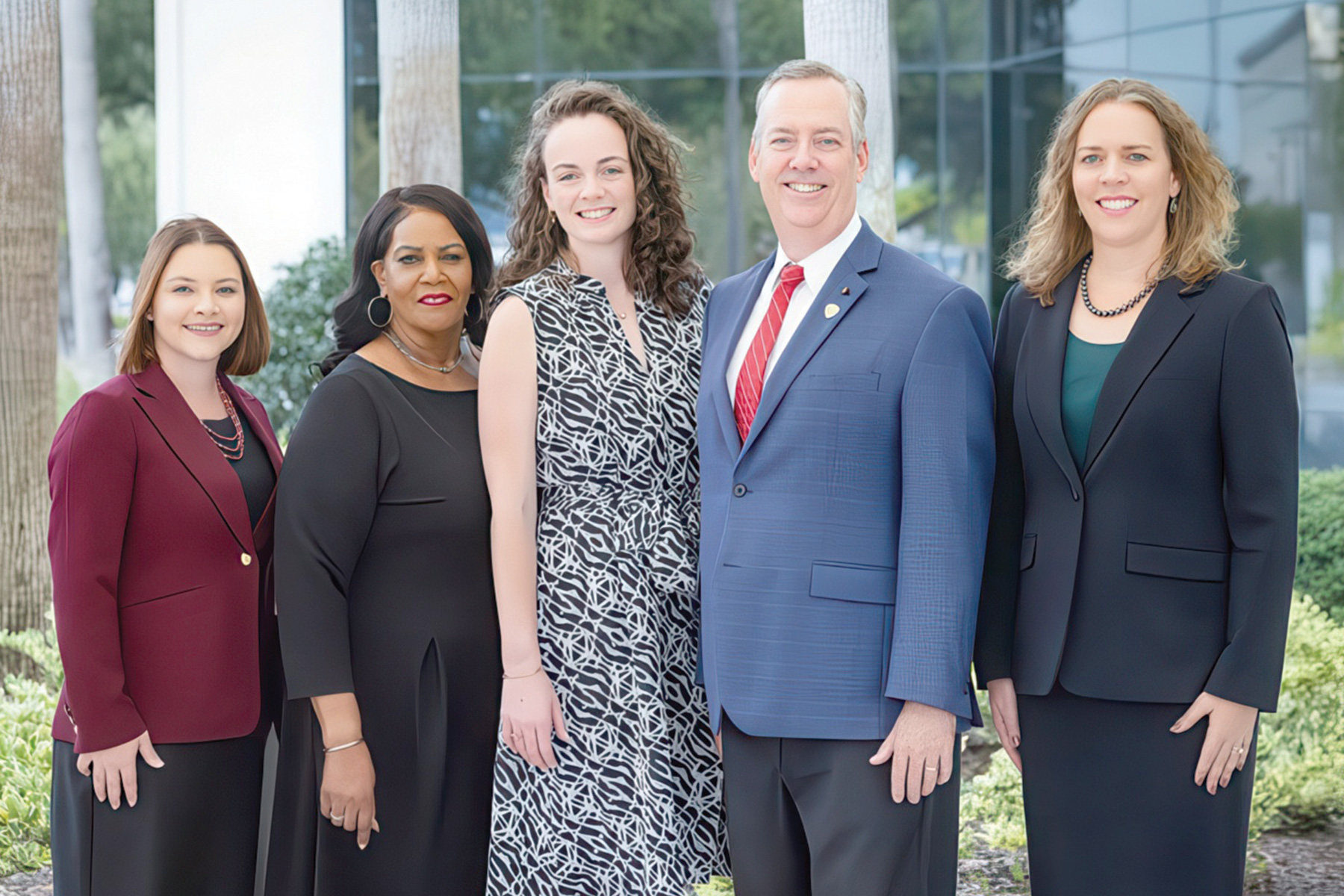
If you’d like personalized guidance or help implementing any of these strategies, please reach out to the team at Walsh Investment Consulting Group.
Paid Advertisement
Investment products and services are offered through Wells Fargo Advisors Financial Network, LLC (WFAFN), Member SIPC. Walsh Investment Consulting Group is a separate entity from WFAFN.
Wells Fargo Advisors Financial Network does not provide legal or tax advice.
Donations are irrevocable charitable gifts. The sponsoring organizations maintaining the fund have ultimate control over how the assets in the fund accounts are invested and distributed. Donor Advised Funds donors do not receive investment returns. The amount ultimately available to the Donor to make grant recommendation may be more or less than the Donor contributions to the Donor Advised Fund. While Annual giving is encouraged, the Donor Advised Fund should be viewed as a long-term philanthropic program. Tax benefits depend upon your individual circumstances. You should consult your Tax Advisor. While the operations of the Donor Advised fund and Pooled Income Funds are regulated by the Internal Revenue Service, they are not guaranteed or insured by the United States or any of its agencies or instrumentalities. Contributions are not insured by the FDIC and are not deposits or other obligations of, or guaranteed by, any depository institution. Donor Advised funds are not registered under federal securities laws, pursuant to exemptions for charitable organizations.
Please consider the investment objectives, risks, charges, and expenses carefully before investing in a 529 savings plan. The official statement, which contains this and other information, can be obtained by calling your financial advisor/ Read it carefully before you invest. The availability of such tax or other benefits may be conditioned on meeting certain requirements.