


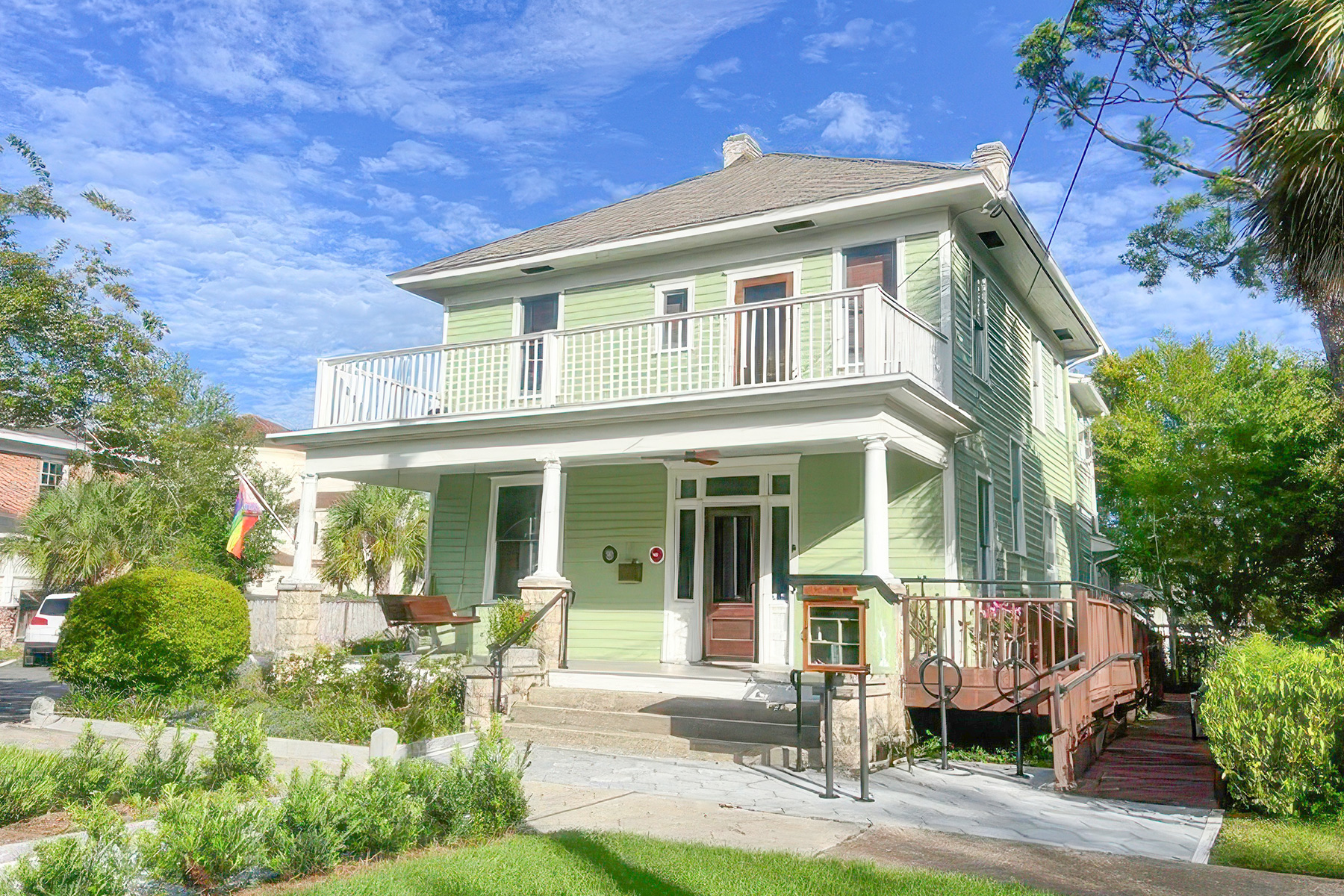
Editor’s Note: Every home has a story. With our new series, “If These Walls Could Talk,” Resident News will explore the history found within the homes and structures that shape our Resident communities. From Riverside and Avondale to San Marco and beyond, these buildings are more than beautiful landmarks – they are part of the identity, character and history of our neighborhoods. That’s why this series will feature stories from both sides of the river, celebrating the people, moments and memories that have lived within these walls.
“My dear George.”
That’s how the 19th President of the United States addressed George Buckland, the man who built the home at 2623 Herschel Street.

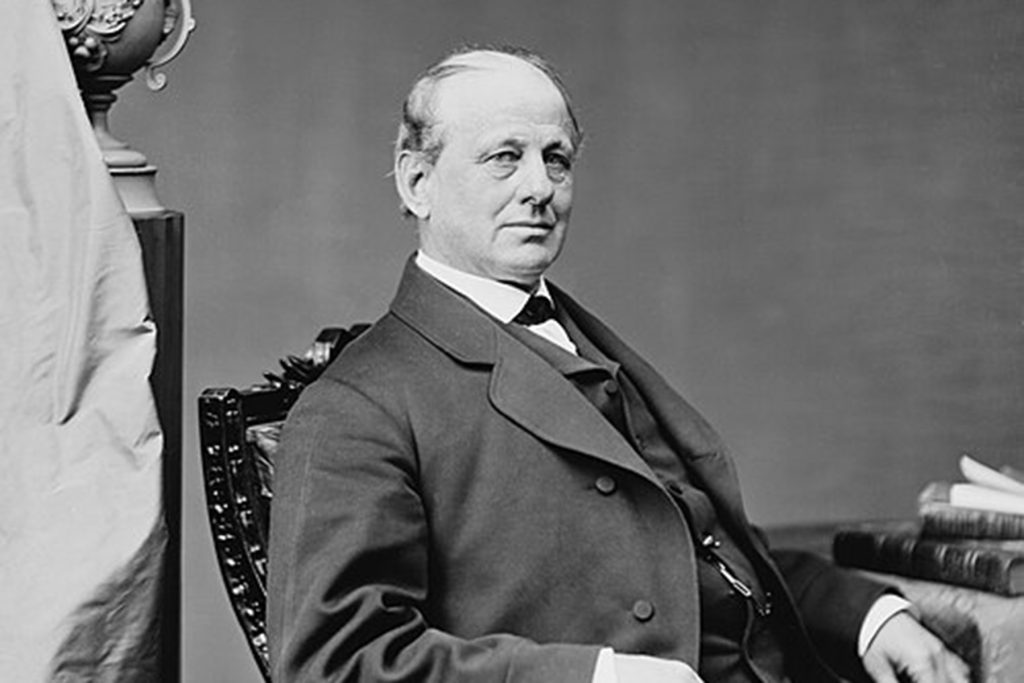
George’s father, Ralph Buckland, a General and U.S. Congressman, had been a law partner of President Rutherford B. Hayes in Fremont, Ohio, during the 1840s. The two swapped many letters over the years, mostly about Buckland’s time leading the 72nd Ohio Volunteer Infantry in the Civil War.
George, Ralph’s youngest son, carefully preserved his father’s letters, which are now part of a collection at the Rutherford B. Hayes Presidential Library and Museums in Fremont, Ohio. An 1892 letter from Hayes to George, composed a year before Hayes’s death, praised General Buckland and requested that George look over papers belonging to his father, who had passed away earlier that year.
According to former RAP Archivist Elaine Akin, the letter “shows fondness from Hayes toward a man he has likely seen grow up from a boy.”
The Buckland Family
In 1908, George Buckland moved his family – his wife, Grace, and daughters, Mary and Charlotte – from Ohio to Jacksonville to work for the Jacksonville Gas Company. The family’s two-story frame vernacular home on Herschel Street was completed in 1912, featuring four bedrooms and 2,500 square feet of space.
In 1918, Grace and Mary founded the French Primary School, which operated out of the first floor of the Buckland family home into the 1940s. A newspaper article from May 1919 recounts how students staged an elaborate French-language program for parents, complete with songs, recitations, skits, and a royal court. Afterwards, ice cream and a large birthday cake were served, with every child receiving a slice decorated with their initials and candles representing their age.
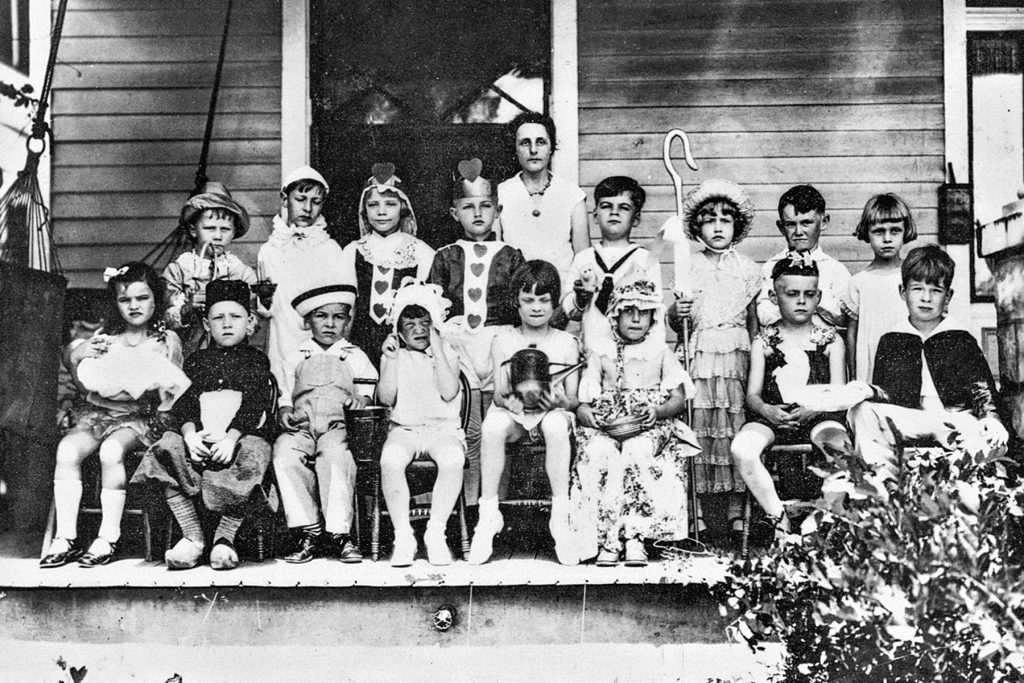
In addition to French, the school taught reading, writing, and arithmetic to neighborhood children, including notable figures such as Telfair “Stockton” Rogers Sr. and Charles “Charlie” D. Towers Jr.
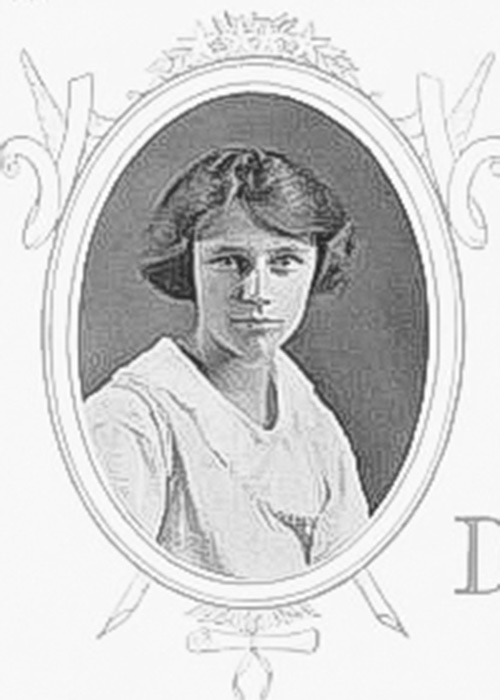
Younger sister Charlotte also became a teacher, earning a degree in botany from Agnes Scott College in Decatur, Georgia, in 1927 and her master’s in science from the University of Virginia. She taught at Landon High School from 1936 to 1965 as a science teacher.
Landon High School alumnus Charlie Rooks – Class of ’54 – remembers Ms. Buckland as one of his more demanding teachers.
“She was tough, like most teachers at that time. She had a reputation as one of the harder teachers,” said Rooks, laughing and adding, “And none of us really liked biology.”
Neither Mary nor Charlotte ever married, and all four members of the Buckland family lived in the house on Herschel until their deaths.
New Life as RAP Headquarters
When Charlotte passed away in 1990, a cousin in Cincinnati, Ohio, inherited the Buckland House. Around the same time, the Riverside Avondale Preserve (RAP) relocated the home at 2624 Riverside Avenue, where the organization had been headquartered for the previous 12 years, to Powell Street to save it from St. Vincent’s Medical Center’s expansion.
However, because Powell Street was zoned strictly residential, RAP lost its headquarters. When Mary and Charlotte’s cousin learned about RAP’s predicament, she deeded the Buckland House to RAP, and it was officially dedicated as the organization’s new headquarters in March 1991.
RAP first renovated the home to make it suitable for use as its offices, followed by a 2015 aesthetic renovation that included patching plaster, restoring windows and pocket doors, and restoring the stairway’s original wood grain. As RAP Executive Director Shannon Blankinship points out, the wood used to build the home was milled from 300-plus-year-old trees and is of a higher quality that modern homebuilders cannot replicate.
“What stands out about being inside the Buckland house is being surrounded by this really beautiful old wood that is so preserved and still has this oiled gloss to it,” said Blankinship.
Another major renovation in 2025 focused on making the exterior a more usable community space, including a new committee room and a redesigned backyard that can now host 100-person events. Eight RAP employees currently work full-time at the Buckland House.

When it took over the home, RAP also inherited hundreds of the Buckland family’s heirlooms and personal effects, which it has carefully preserved, cataloged, and displayed.
George would have been especially appreciative of RAP’s efforts: In the 1910s, he wrote a weekly column called “Family Pages from the Past” for the Florida Metropolis, a local daily evening paper. In it, he highlighted a different historical item or figure each week, such as plates purchased by the Confederate Navy or an honorary medal bestowed by Ben Franklin’s estate.
It seems fitting that the home of a family that devoted itself to education and fostered an appreciation for history is now the home base of an organization that does exactly that.