


The perfect time to adopt, foster or donate
April 30 is National Shelter Pet Adoption Day. It was established to raise public awareness of the countless homeless pets waiting in shelters and private rescues for homes. The Resident Community News Group’s pet-loving team urges readers to adopt, not shop for a pet, or to foster – veterinarian care and supplies provided – to give a pet more time to be adopted.
The large city animal shelters need community support, and the smaller, private rescues doing equally lifesaving work need help too. These organizations receive no government funds but operate solely on tax-deductible donations.
Smaller rescues serve as a secondary safety net when they “pull” overlooked animals out of overcrowded shelters. These include animals less likely to be adopted or whose time has simply run out; one rural county shelter only gives unclaimed pets 30 days to be adopted.
Every rescue defines “less likely to be adopted” or “unadoptable” differently, but they are usually animals that never receive any interest from potential adopters, all black animals, large dogs, fearful or timid pets, and senior or disabled pets. Animals with medical conditions or other special needs may be considered unadoptable by shelters unable to afford veterinarians or specialized care.
Breed prejudice does make adoption more difficult for some dogs because to stereotypes that assume all bully breeds, rottweilers, dobermans, and chow dogs are aggressive, bite, or attack. Even usually popular small dogs may be bypassed because of the belief that they yap uncontrollably or are ankle-biters.
Experienced rescuers know that few homeless pets are unadoptable. Most animals can eventually be adopted after thorough health screening and behavioral evaluation, socialization, training, patience, and more time for community promotion.
There is a small percentage of homeless or unclaimed pets with untreatable illness, mental instability, or catastrophic injuries for which euthanasia is the humane choice. Similarly, some pets may have behavioral issues that even professional rehabilitation and training cannot correct. Pets forced to remain in chaotic shelters, sometimes double-kenneled in alreadysmall cages, can develop stress symptoms, including weight loss, avoidance, barking, or other behaviors that hurt their adoptability.
Private animal rescues differ from city or county shelters because they are not funded by any municipality. They are also usually founded by rescuers who work a regular job and use their own resources and home to care for and reunite lost pets or rehome the homeless. Eventually, they reach capacity and must ask family, friends, co-workers, and neighbors to help house pets, which is how foster networks begin.
Eventually, the private rescue outgrows the founder’s personal financial ability to provide necessary veterinary care, food, and housing for its rescued animals. Then, they often choose to begin the lengthy process of qualifying to become a licensed nonprofit organization able to accept financial or supply donations.
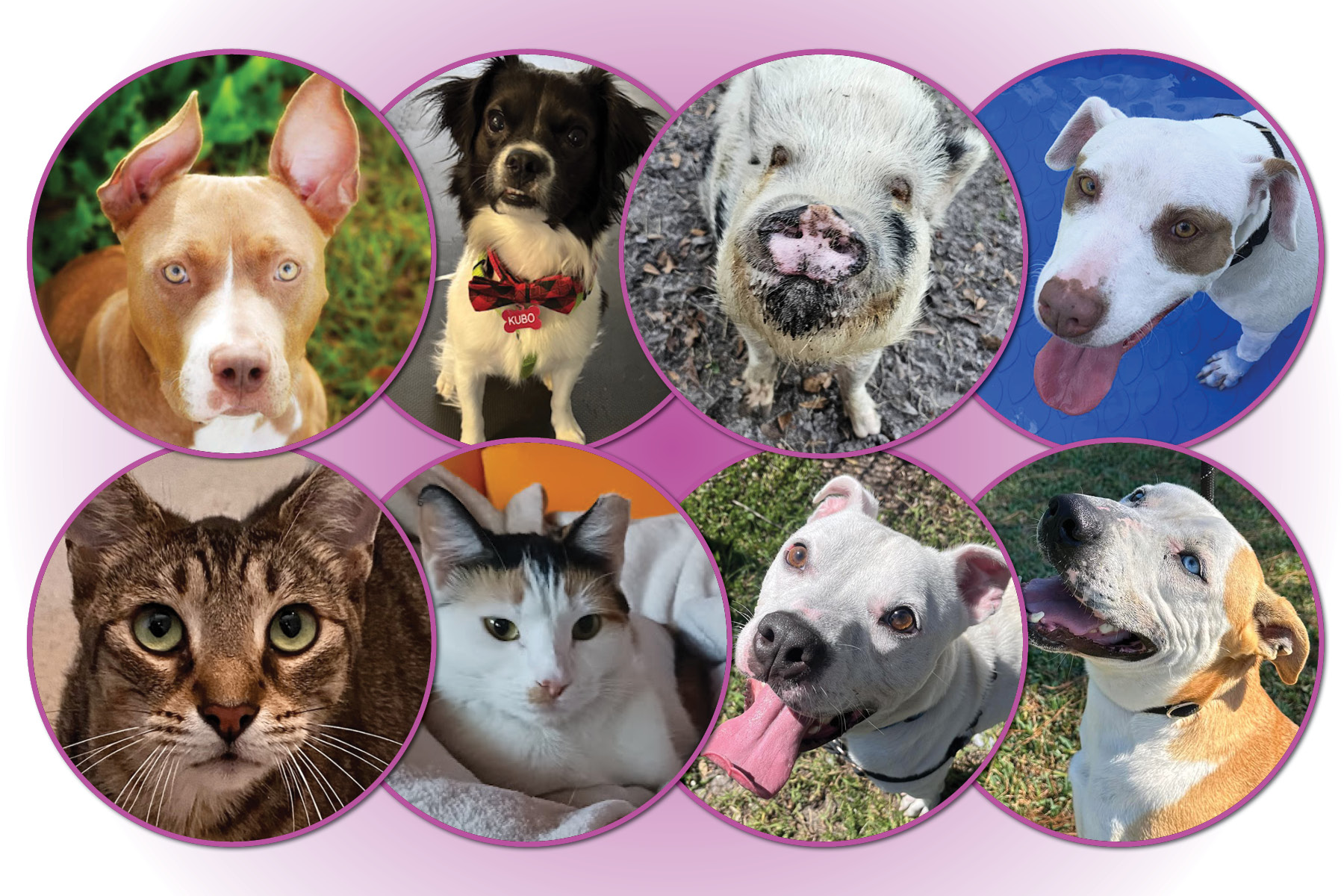
Ten animal rescues have each submitted one of their adoptable pets for promotion in Resident News. They gratefully accept ongoing support through one-time, weekly, monthly, or quarterly donations that fund their rescue operations and pay for veterinary care, food, and supplies for animals awaiting adoption. Inquire about any adoption fee, which pays for veterinarian services.
Private rescues gladly accept mailed checks or online donations, corporate or civic group sponsorship, adopters, fosters, volunteers, or supply purchases from their websites or Facebook Wish Lists. Some rescues with physical shelters welcome high school students to complete required volunteer community service hours.
Adoptable Pets
Coastal Canine Rescue
Finding Loving Homes for NE Florida’s Urgent Shelter Dogs
364 Hickory Acres Lane, St. Johns County | Coastalcaninerescue.org
Fosters and donations save urgent shelter dogs and fund emergency veterinary care.
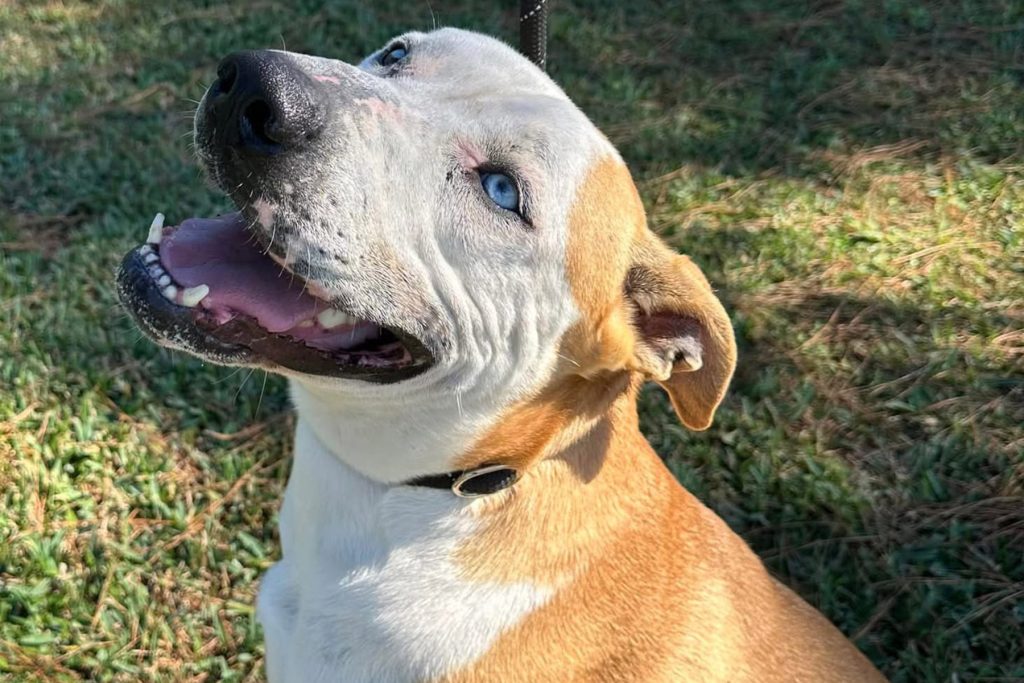
DAGGER
Three-year-old Dagger weighs 65 pounds and is neutered, vaccinated, and microchipped. This affectionate, extra-wiggly boy adores children and other dogs and shows loyalty. He makes being a tripod with only three legs look simple, taking stairs with ease, visiting markets and sports events, and playing with friends.
Kamp Kritter Rescue Foundation
281 McDuff Ave.
South – 32254
[email protected]
(904) 384-2111 Kampkritter.com
Retired veteran (2005) and founder Sue Towler operates Critter Sitters pet sitting and The Barking Lot boarding/daycare to help fund her rescue of the most seriously ill, injured, disabled, and abused animals. She appreciates financial donations and supplies for cleaning, trash bags, no-float mulch from Lowes, laundry detergent, blankets, towels, and sheets.
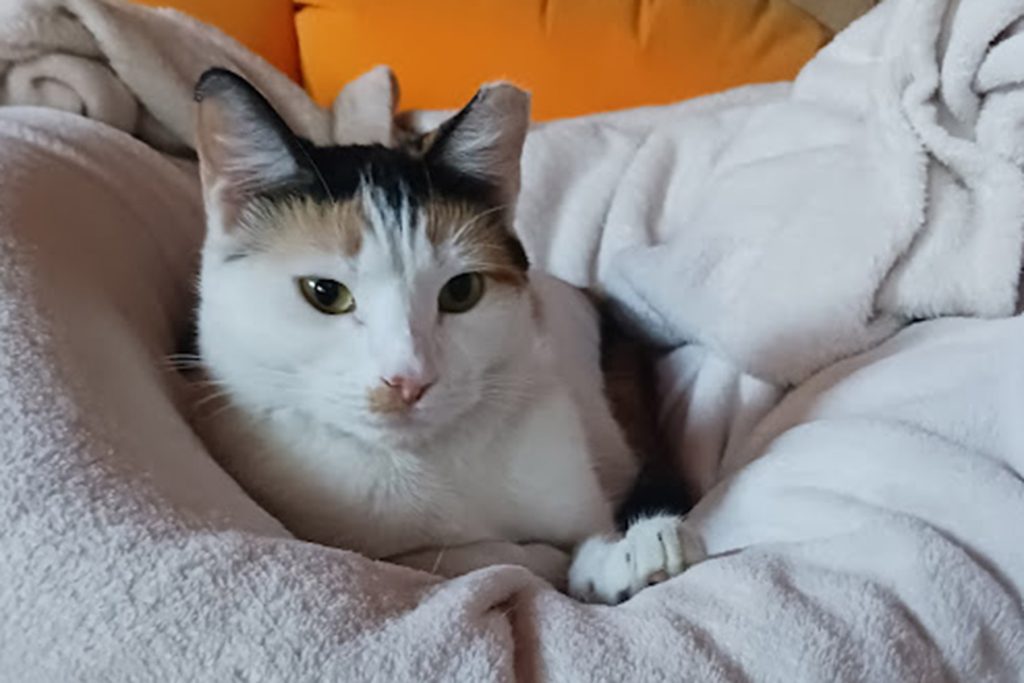
PETUNIA
This healthy, fluffy calico is less than four years old and is FELV and HIV-negative. Petunia is spayed and vaccinated and is great with children, dogs, and cats. A feisty, mischievous, curious explorer, Petunia is exceptionally loving.
Neptune Beach Animal Control
200 Lemon Street (At Beaches Town Center) | (904) 270-2411
To meet Lucy: (904) 994-9821
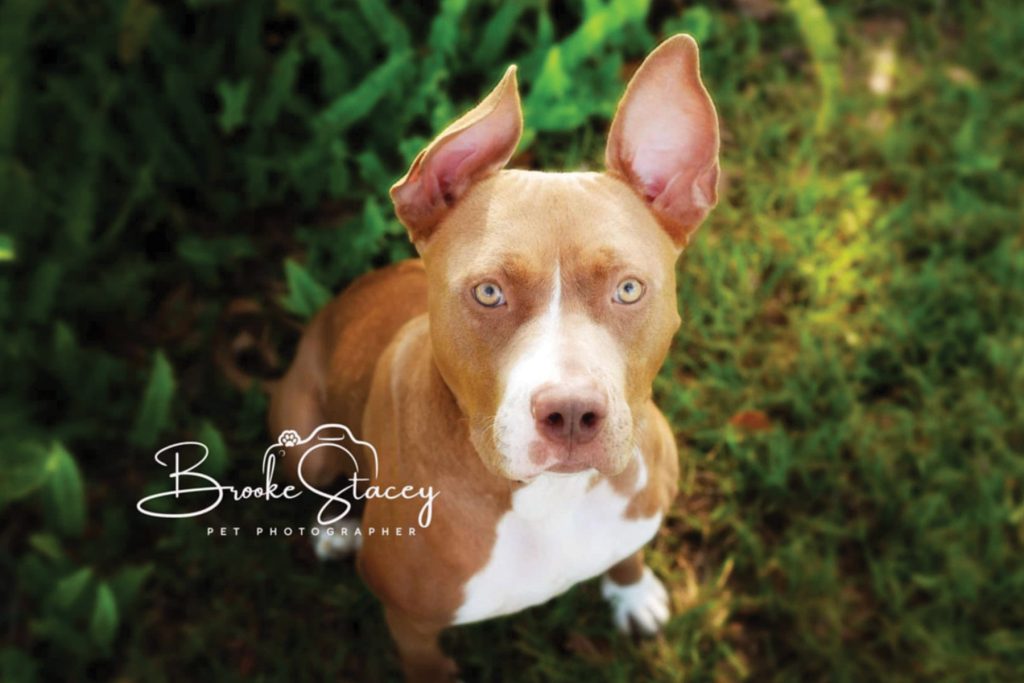
LUCY
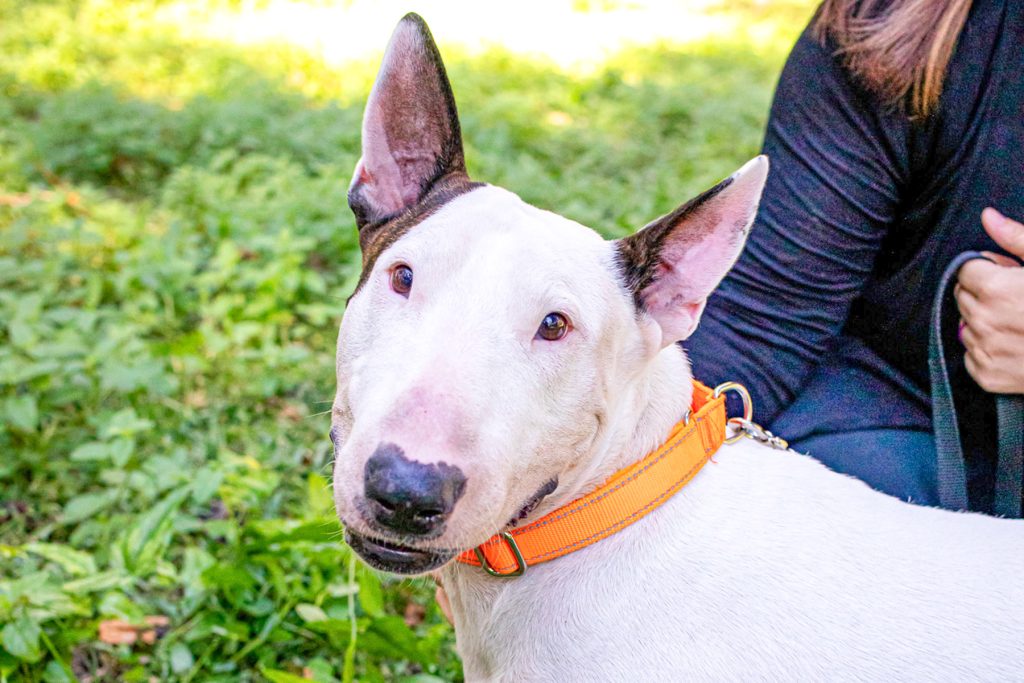
Lucy, who has beautiful ears, is an ACPS adoptable pet fostered by Neptune Beach Animal Control Officer Dee Zagari. Zagari says two-year-old Lucy weighs 58 pounds, is spayed, microchipped, vaccinated, house- and crate-trained, and knows basic commands. She likes other dogs but no cats or very small childre said their small shelter needs volunteers.
Neptune Beach Animal Control
Papillon Pals Rescue | 10568 Inverness Drive
Papillonpalsrescue.com | [email protected]
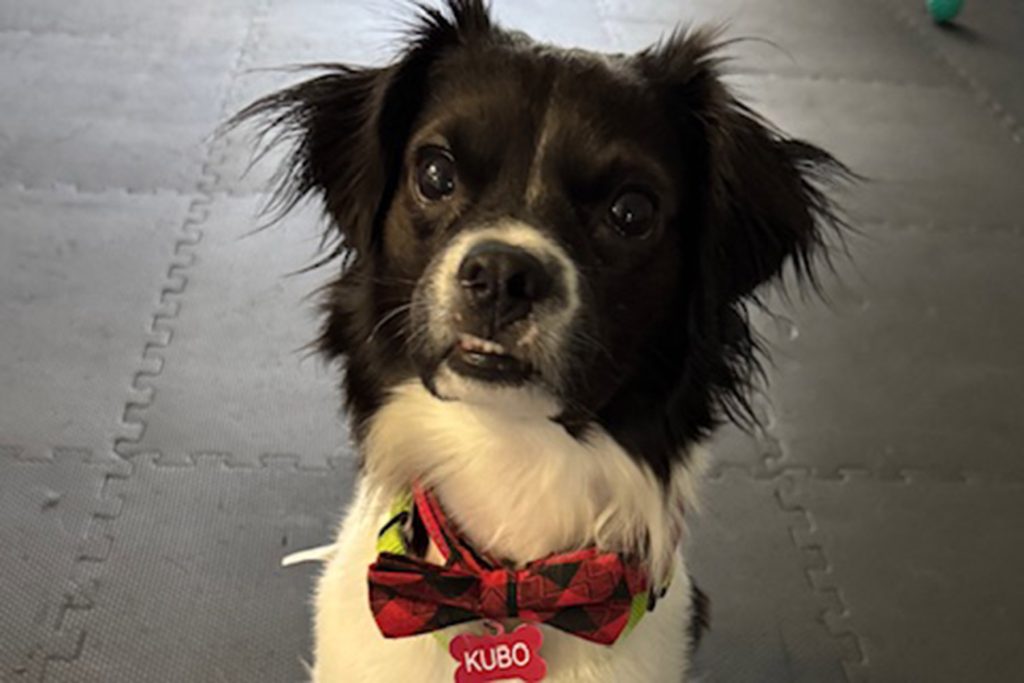
KUBO
This nonprofit rescues any small dog that is ill, injured, imperfect, or a senior that ends up in a county shelter. Handsome Kubo, five years old, is 22 pounds of silky-coated, mixed-breed spaniel. He is vaccinated and neutered, heartworm-negative, and microchipped. He loves people, older children, car rides, and walks but can be reactive on a leash. Kubo, a devoted companion, likes other small dogs once introduced.
SAFE Animal Shelter
2913 County Rd. 220, Clay County | (904) 375-9122 | Safeanimalshelter.com
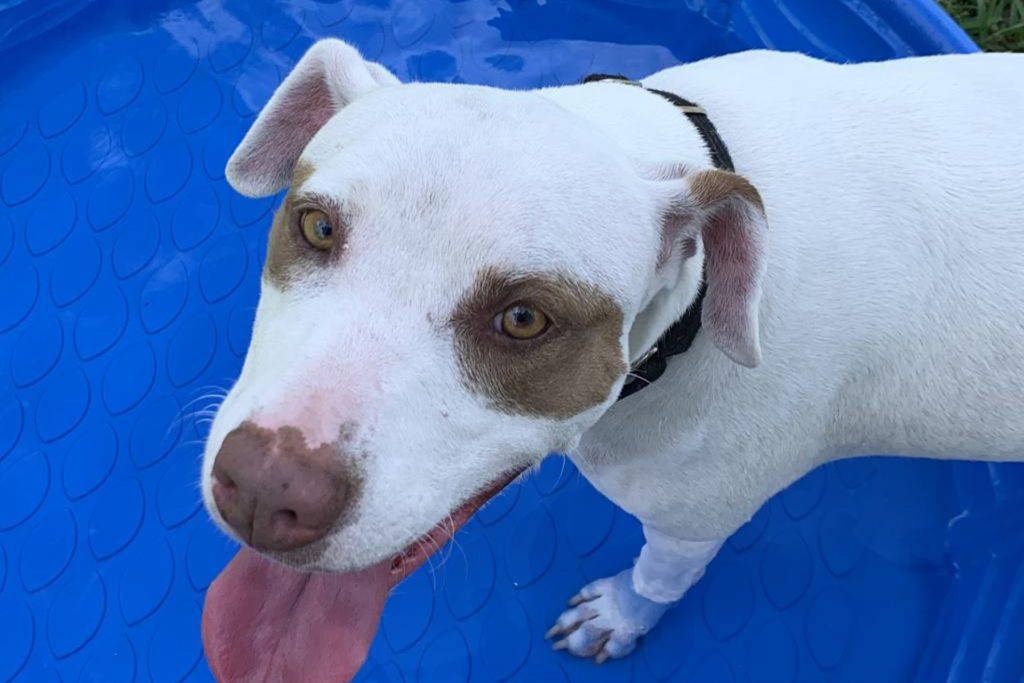
BANDIT (#16853)
SAFE, Clay County’s first no-kill shelter since 1991, also saves shelter animals in Duval and all of Northeast Florida. Six-year-old bully-mix Bandit weighs 70 pounds. A staff favorite, he is laidback but loves leash walks, car rides, and fetching tennis balls. Bandit is vaccinated, heartworm-negative, microchipped, neutered, loving, and shows protective behavior. Timid at first, Bandit wants to be a companion and is fine with older children but needs to be the only pet.
EPIC OUTREACH
P.O. Box 77479 | (904) 274-1177 | Epicoutreach.org | [email protected]
EPIC works to create a kinder world for people, animals, and the environment through animal rescue, educational programs, events at its farm sanctuary, and community outreach. Its promotion of empathy, kindness, and sustainable living includes Camp Compassion for children. Founder Jessie Miller welcomes donations of $7 each month to pay for one rescued animal’s food and veterinary care.
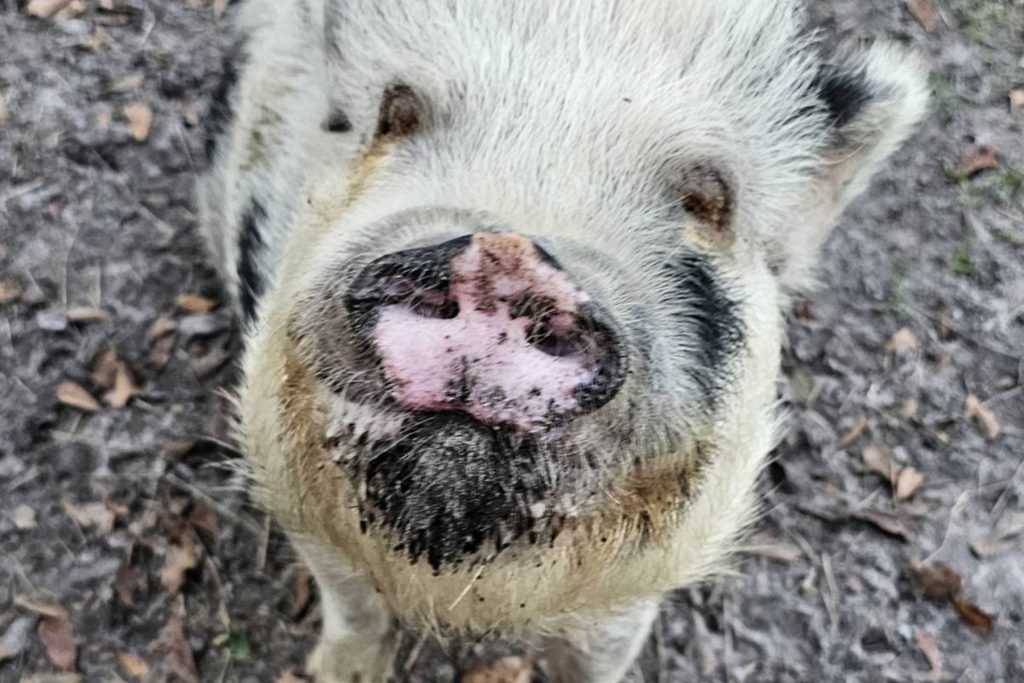
MASON
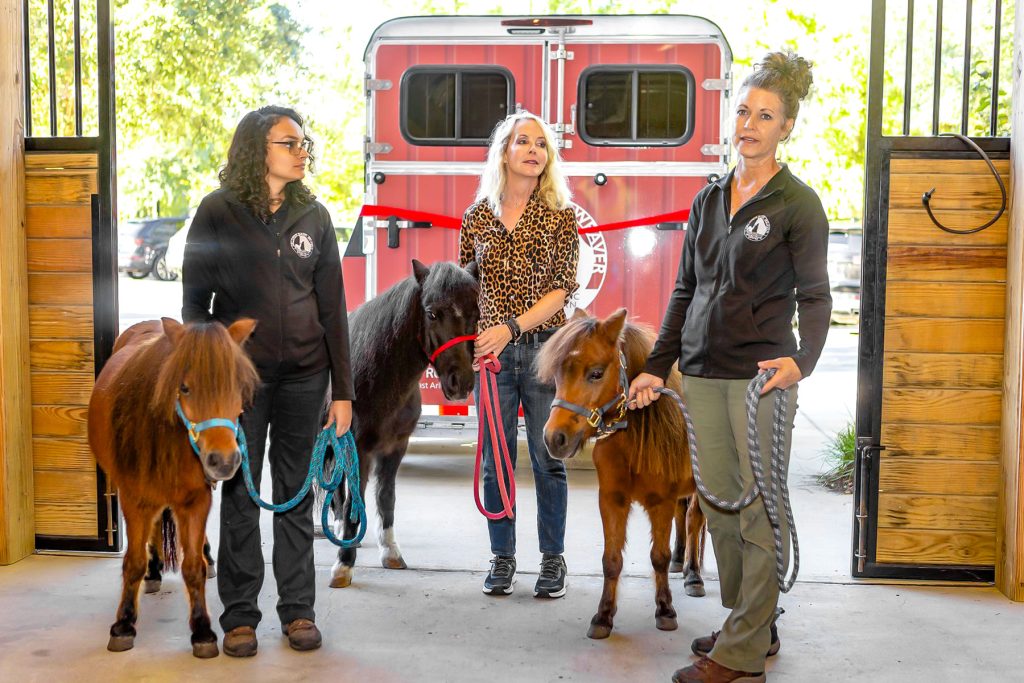
This five-year-old neutered male is a sweet, gentle soul who likes other animals and people, especially children. Mason is fully vaccinated and a compact 150 pounds, ready for his own family.
Springfield Kitty Cat Shack
[email protected] | (904) 294-0666
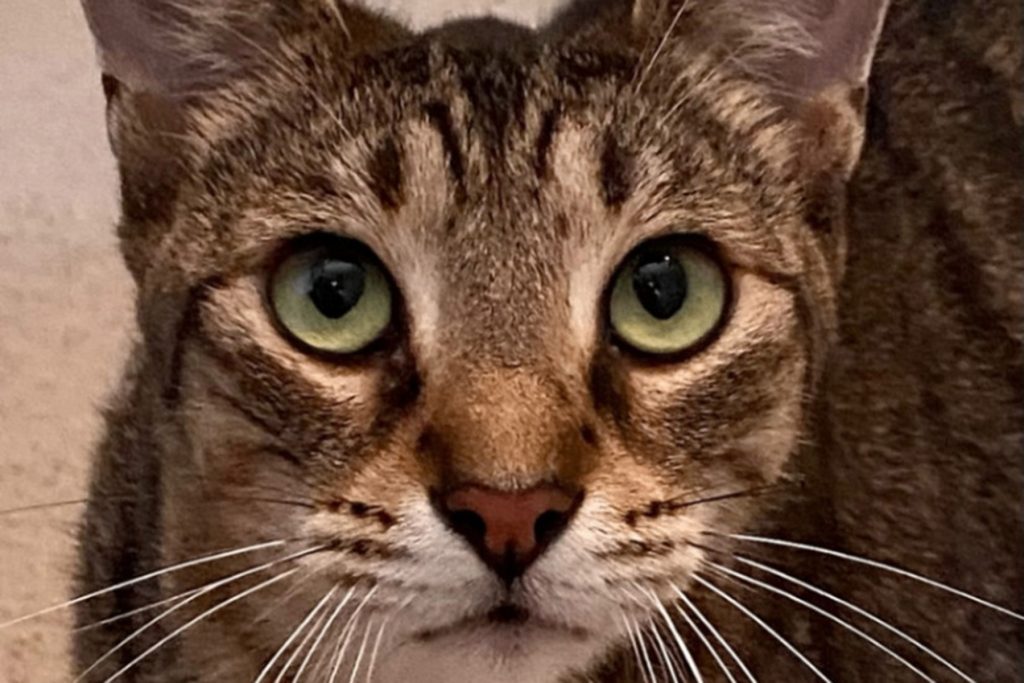
OLIVER
No photo can capture the stunning eyes of six-year-old Oliver. This leg-rubbing, loud-purring lover comes when you call but needs time to adjust to new people and places. He is neutered, FELV/FIV negative, vaccinated, healthy, and best with adults, older/calm children, and other cats.
Jacksonville Humane Society
8464 Beach Blvd. | (904) 493-4565 | Jaxhumane.org
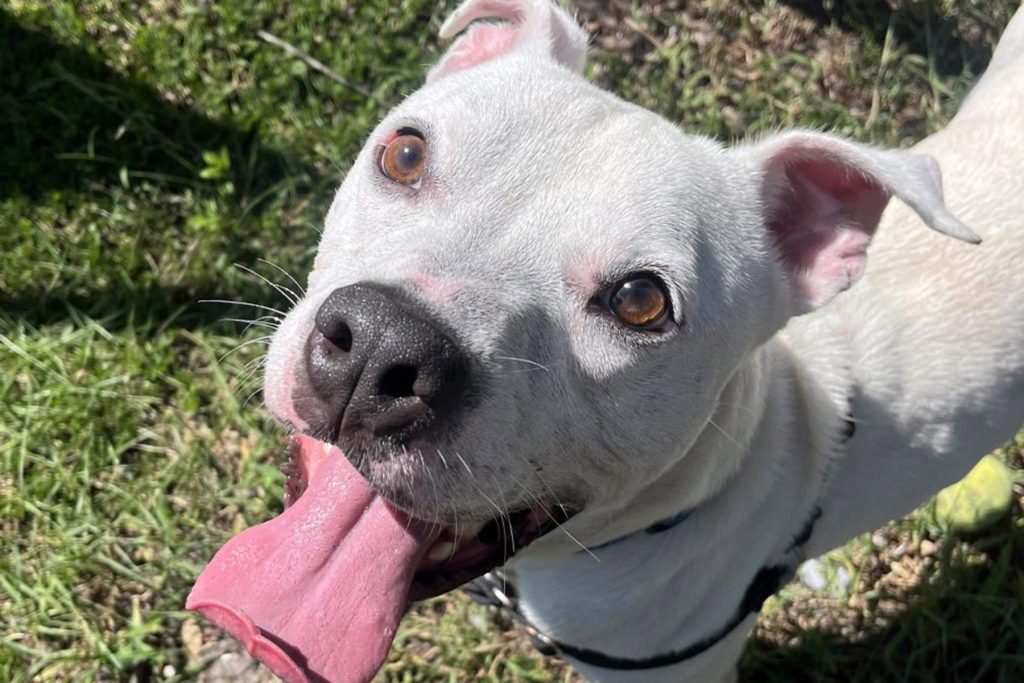
MINION
Two-year-old Minion weighs 58 pounds and is vaccinated and neutered. He has shelter stress and can’t wait to be outside, running zoomies or taking long walks. His expressive face actually smiles, and he is attuned to his people. Minion can’t wait to snuggle at home and enjoy his favorite side rubs and meaty treats. He is dog-selective and untested with children and cats.