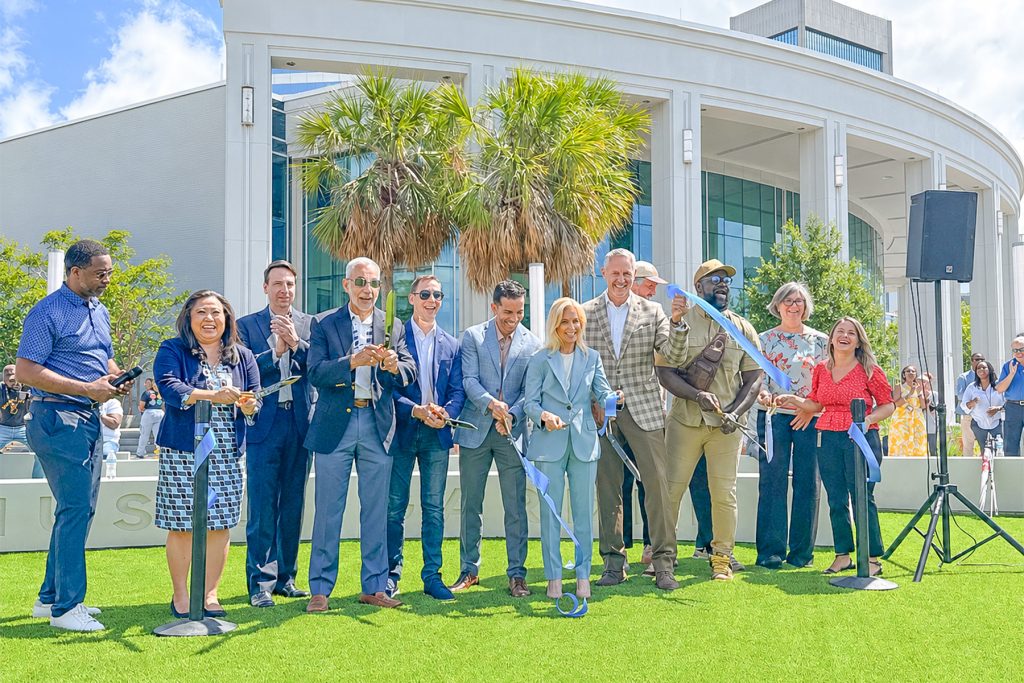


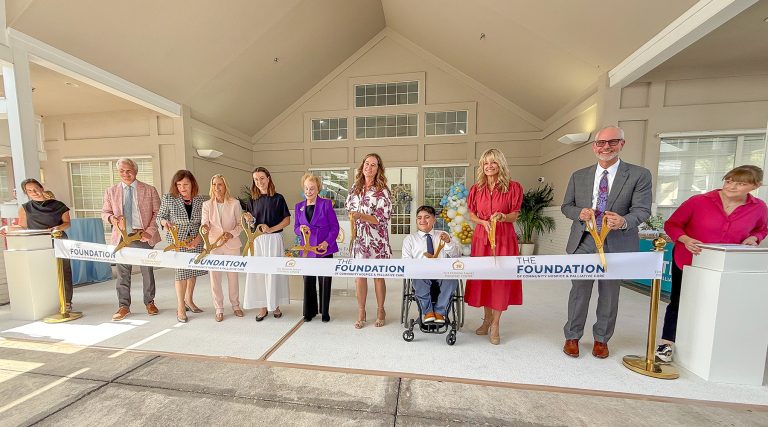
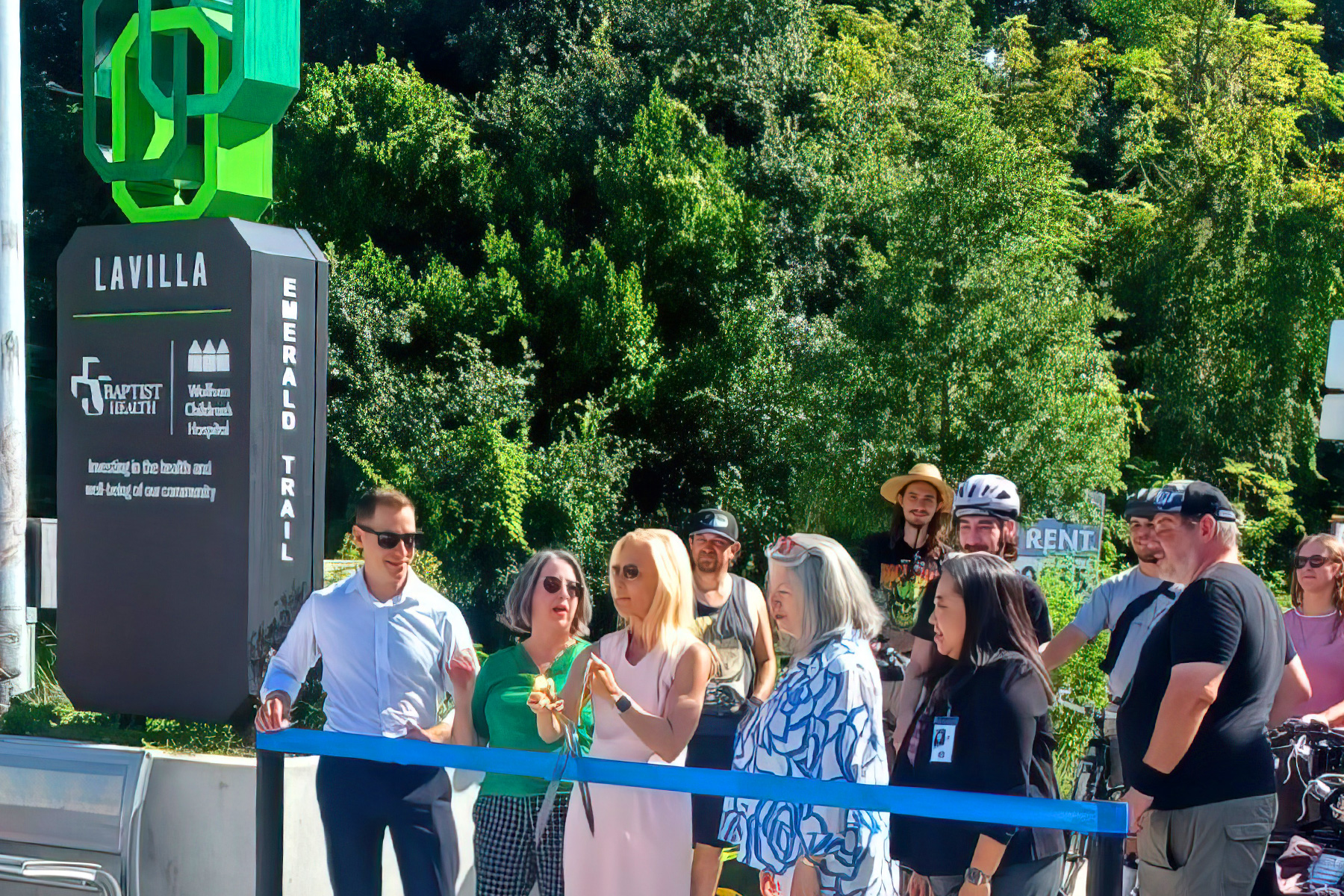
City officials and community members celebrated the freshly paved and redesigned section of Park Street that links Riverside, Brooklyn and Lavilla at a ribbon-cutting ceremony on Monday, July 21.
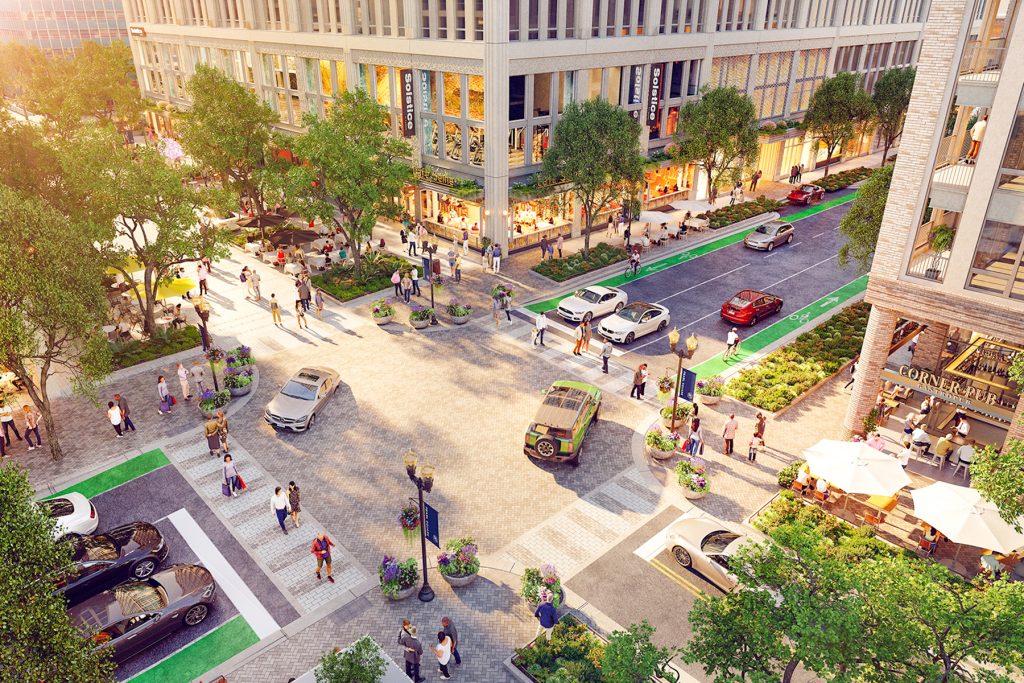
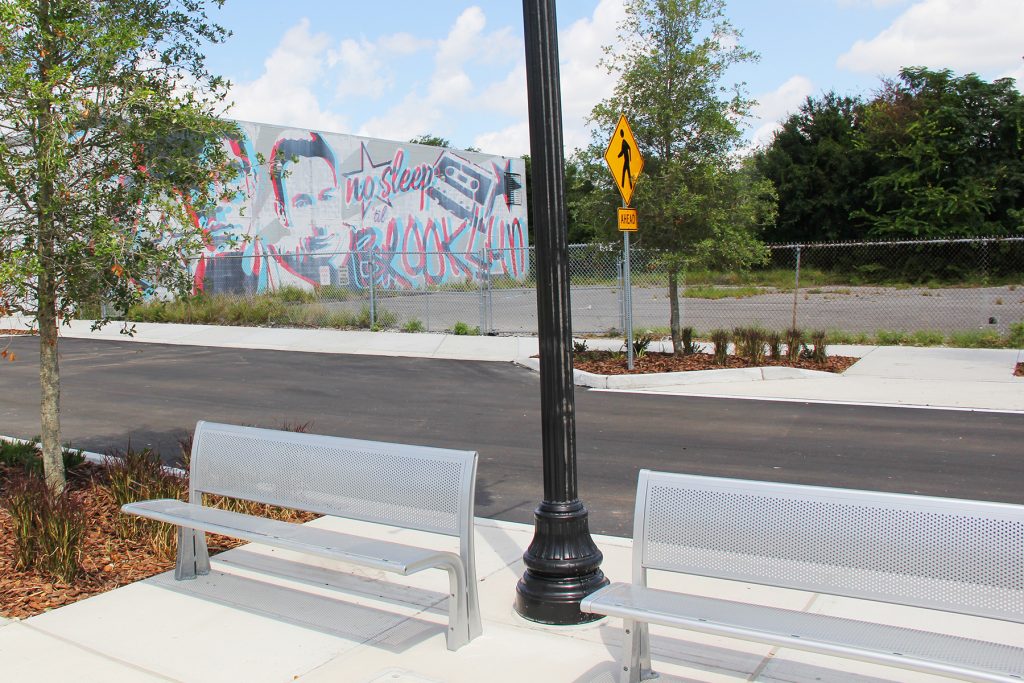
Developed from Downtown Investment Authority’s 2017 Brooklyn Neighborhood Road Diet Study, the Park Street Road Diet was created to make the section of road between Forest and Stonewall streets safer and more pedestrian- and bicycle-friendly with the help of traffic calming techniques. The changes included narrowing the road from four to two lanes to provide for safer street crossings, wider sidewalks for safer pedestrian and bicycle traffic, sharrows – street symbols that indicate where cyclists should ride – and the addition of street trees to provide shade. The improvement project cost nearly $11 million.
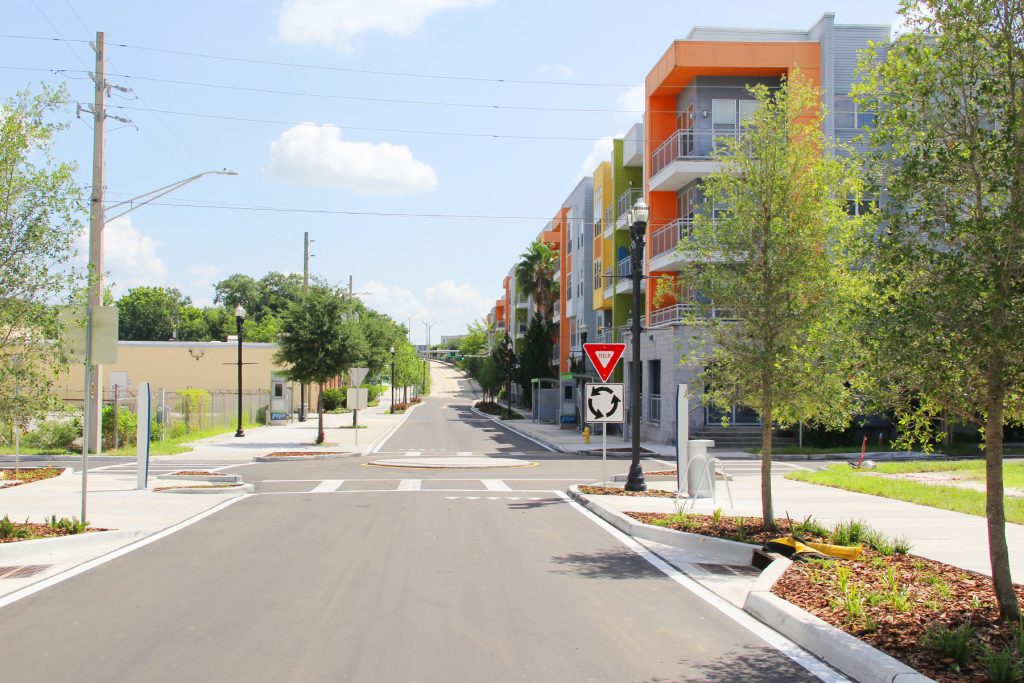
“[Park Street Road Diet] is a dream for bikers and walkers. It’s good for business and it’s a link to the Emerald Trail,” said Mayor Donna Deegan . “This used to be a car-dominated corridor, but after our road diet, we have transformed it into a safer, more vibrant and more accessible public space.”
Deegan talked about the benefits of the project as members of the Bicycle and Pedestrian Advisory Committee (BPAC) stood behind her ready to roll down the new sidewalks on their bikes.
“It has been a long time coming,” said Lauren Rushing, BPAC chair. “We were glad to have city staff, including Nina Sickler [City Director of Public Works], attend some of our meetings to share the designs and get our input.
At a glance, riding it this first time, we are very happy
with the expanded pedestrian space.”
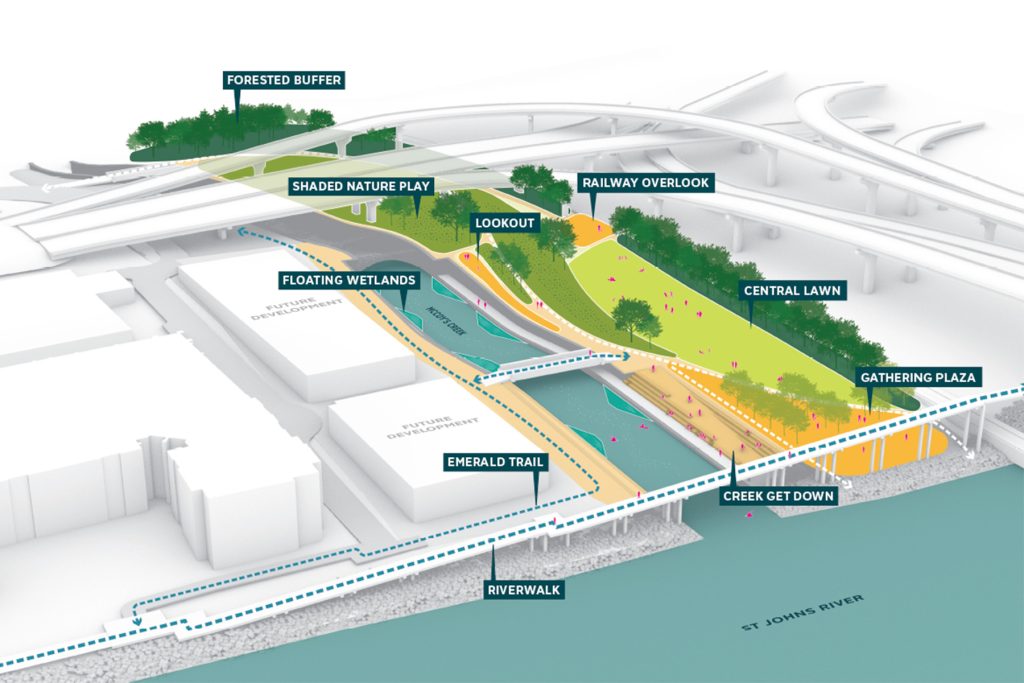
Just north of this project is a section of the City’s Emerald Trail, a proposed 30-mile network of trails planned to connect 14 historic urban neighborhoods to downtown, the St. Johns River, McCoys Creek and Hogans Creek. The project was the victim of federal budget cuts when the “Big Beautiful Bill” was recently passed, and part of that budget canceled a $147 million grant from the U.S. Department of Transportation that was awarded to the project in 2024. Deegan assured
those gathered at the ribbon-cutting that the trail project had not slowed from the setback.
“The way it worked was that we would complete work and we would get reimbursed by the federal government for that work through the grant,” said Deegan. “We are just going to continue to go after the completion of each link of this trail; we have support from our members of Congress, and we are just going to keep moving this project along.”
District 7 City Councilman Jimmy Peluso also attended the ribbon-cutting and was interested in keeping the momentum going behind projects that produce safer, walkable streets.
The DIA’s road diet study also suggested improvements for Riverside Avenue from Forest to Leila streets. These changes are similar to what has taken place on Park Street, the difference being that the section of Riverside Avenue is mostly six lanes wide and the study suggested reducing the lanes to four to make it safer for pedestrian crossings, which could benefit people crossing to reach the new Whole Foods Market and Riverwalk.
“My intent is to revisit that study and take a look at Riverside Avenue in that area,” said Peluso.